6 hr 30 min
Chianti Wine Country Tour from Florence
- Expert local guide
- Small group
- Skip-the-line access
- Free cancellation
Chianti Florence Wine Tour — Tuscan Vineyards & Reserve Tastings
Rolling hills of Sangiovese, stone cellars where centuries breathe
Compare fares, pick the fit — all bookings are mobile-voucher and eligible for free cancellation where shown.
6 hr 30 min
4 hr 30 min
12 hr
| Experience | Duration | Rating | Skip-the-line | Guide | Small group | Free cancel. | Price | |
|---|---|---|---|---|---|---|---|---|
|
Guided Experience
Most popular
Chianti Wine Country Tour from Florence
|
6 hr 30 min | ★ 4.5 | ✓ | ✓ | ✓ | ✓ | €55 | Book → |
|
Guided Experience
Tuscany Wine Tasting: Small Group Chianti Tour from Florence
|
4 hr 30 min | ★ 4.9 | ✓ | ✓ | ✓ | ✓ | €89 | Book → |
|
Guided Experience
Tuscany Highlights: Siena, San Gimignano & Pisa with Winery Lunch
|
12 hr | ★ 4.8 | ✓ | ✓ | ✓ | ✓ | €135 | Book → |
Guided options offer seamless transit for those prioritizing relaxation, whereas self-drive trips in Tuscany provide superior freedom for travelers seeking autonomy. Most visitors find that booking a chianti florence wine tour tours experience is preferable for stress-free tasting, while independent travel remains the choice for those prioritizing pace.
|
Top pick Guided Chianti Tour |
Self-Drive Tour | |
|---|---|---|
| Logistics | Pre-arranged transport included | Personal vehicle rental required |
| Navigation | Professional driver provided | GPS or map navigation required |
| Cost | 100–180 EUR per person | 50–120 EUR daily excluding fuel |
| Flexibility | Fixed itinerary and schedule | Fully customizable schedule |
| Tasting access | Safe transport after consumption | Strict zero-tolerance limit for drivers |
| Designated driving requirement | None for guests | Mandatory for one member |
| See tickets & prices |
Verdict: Securing chianti florence wine tour tickets ensures a worry-free experience, while self-driving offers the best path for those who prefer chianti florence wine tour tour autonomy.
Hand-picked experiences loved by thousands of travelers
11 hours
Free Cancellation
Journey through Tuscany's highlights: medieval towers, vineyard tastings, and Siena's cathedral
6 hours
Free Cancellation
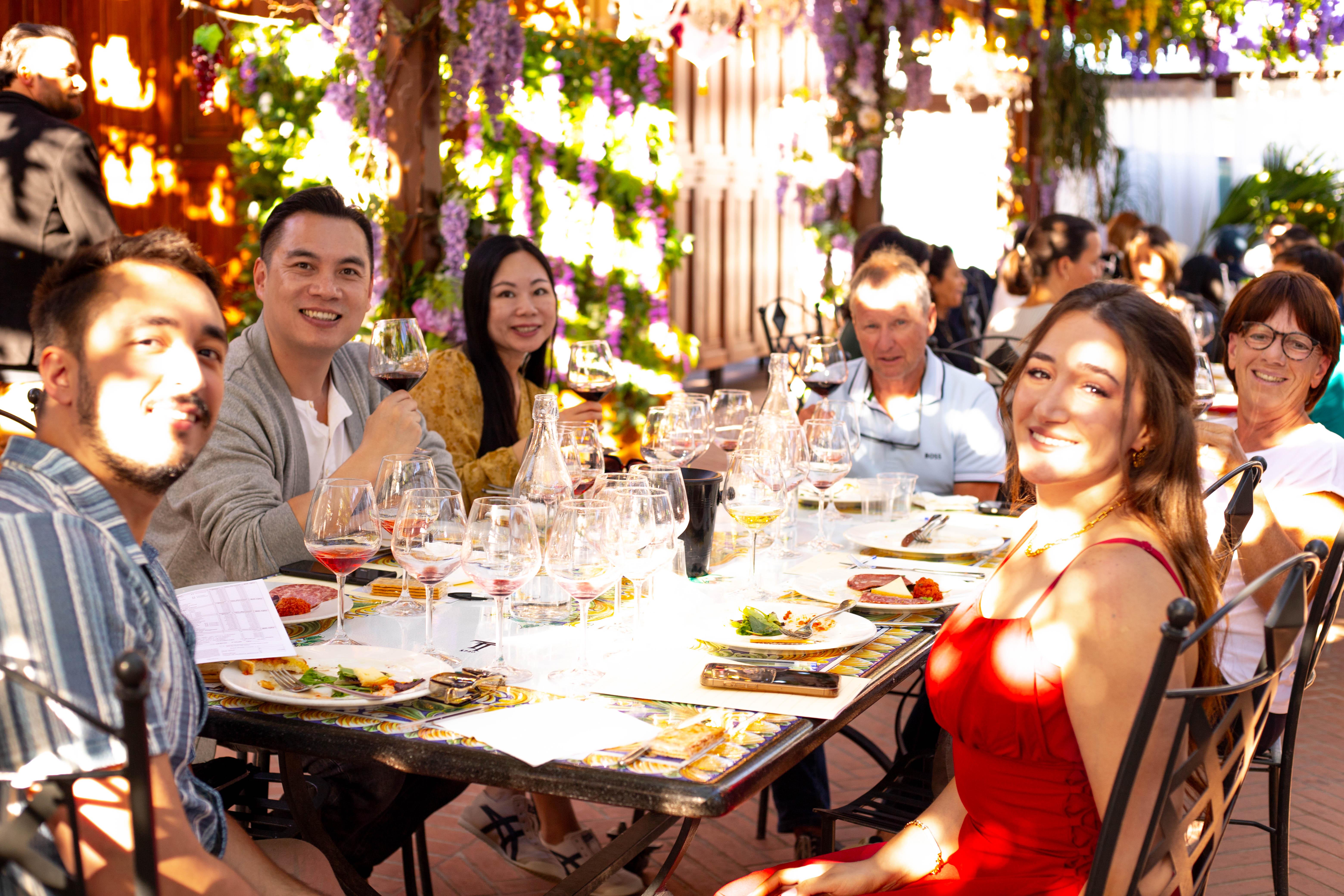
Explore Tuscan vineyards with tastings at two traditional wineries and a medieval village visit
6 hours
Free Cancellation
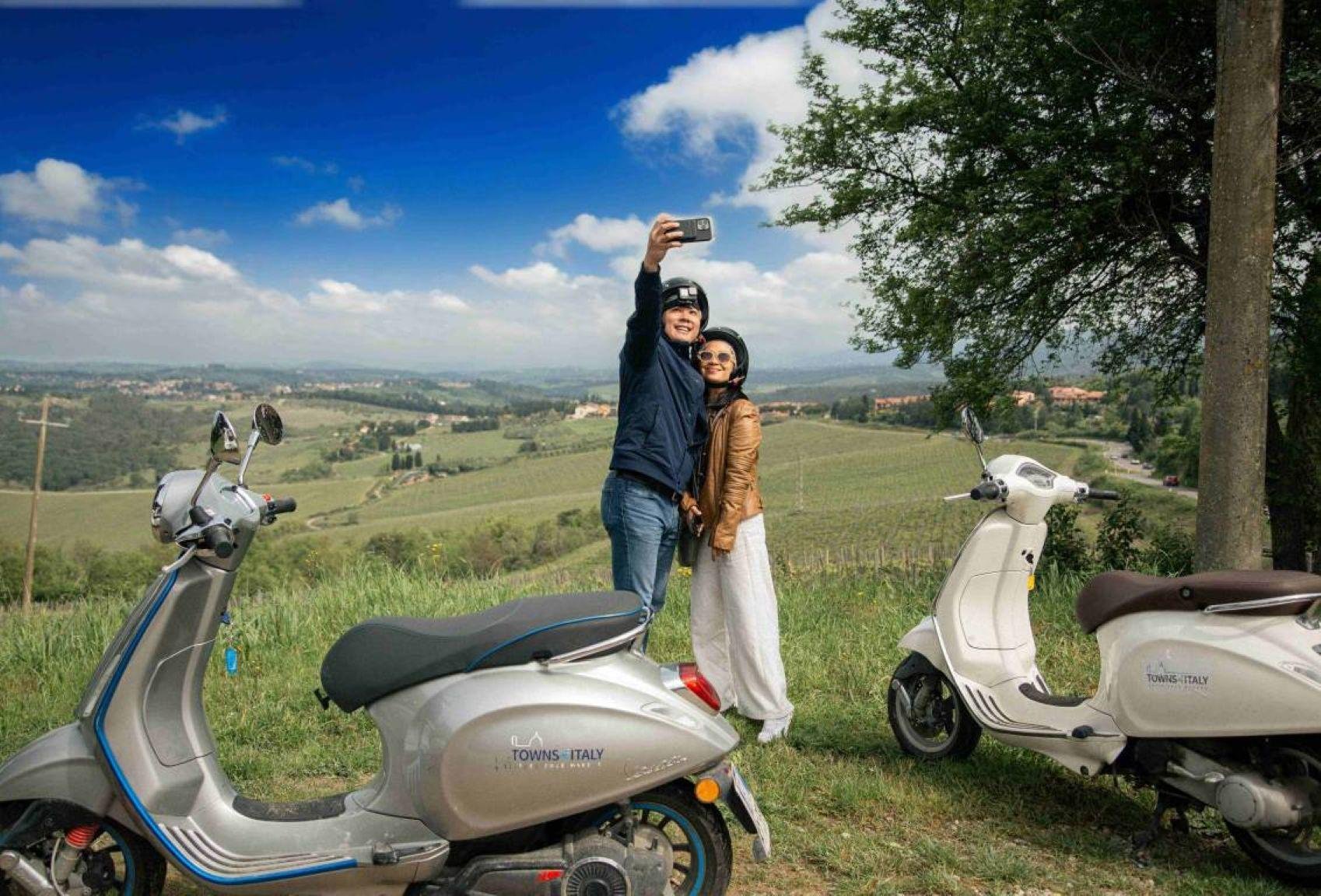
Cruise through Tuscany's vineyards on a vintage Vespa or electric car, stopping for wine and a traditional meal
6 hours
Free Cancellation
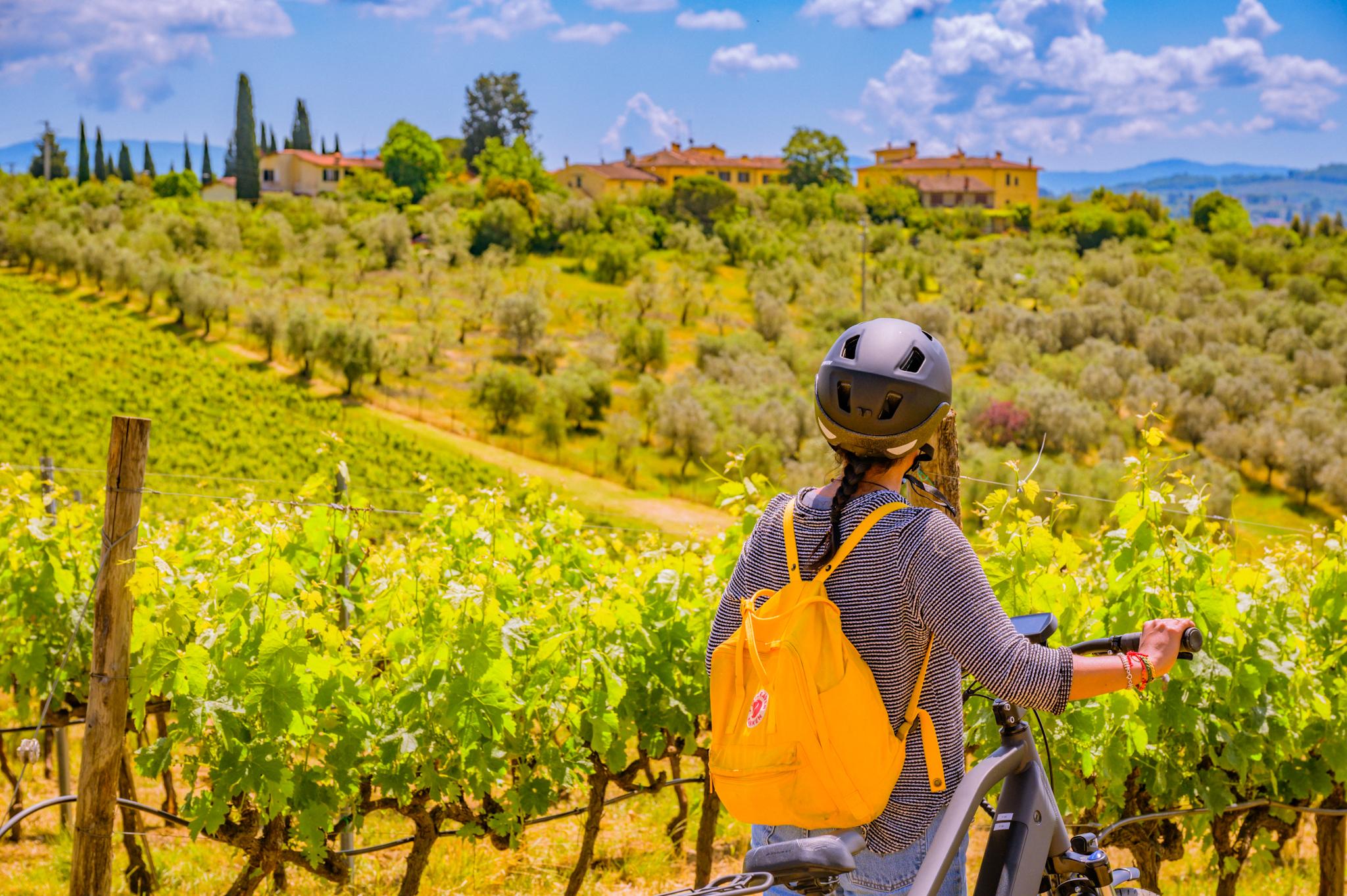
Pedal through Tuscan vineyards on an electric bike, taste Chianti wines, and feast on regional cuisine
5 hours
Free Cancellation
Journey through Tuscany's celebrated wine country with visits to two organic estates and tastings
5 to 7 hours
Free Cancellation
Explore three celebrated wineries, savor authentic Tuscan cuisine, and discover olive oil traditions
5 hours
Free Cancellation
Escape to Tuscany's famous wine region for tastings, vineyard walks, and authentic local flavors
6.5 hours
Free Cancellation
Explore three distinctive Tuscan estates with a sommelier, tasting premium wines and savoring lunch
Meet at designated vineyard entrance
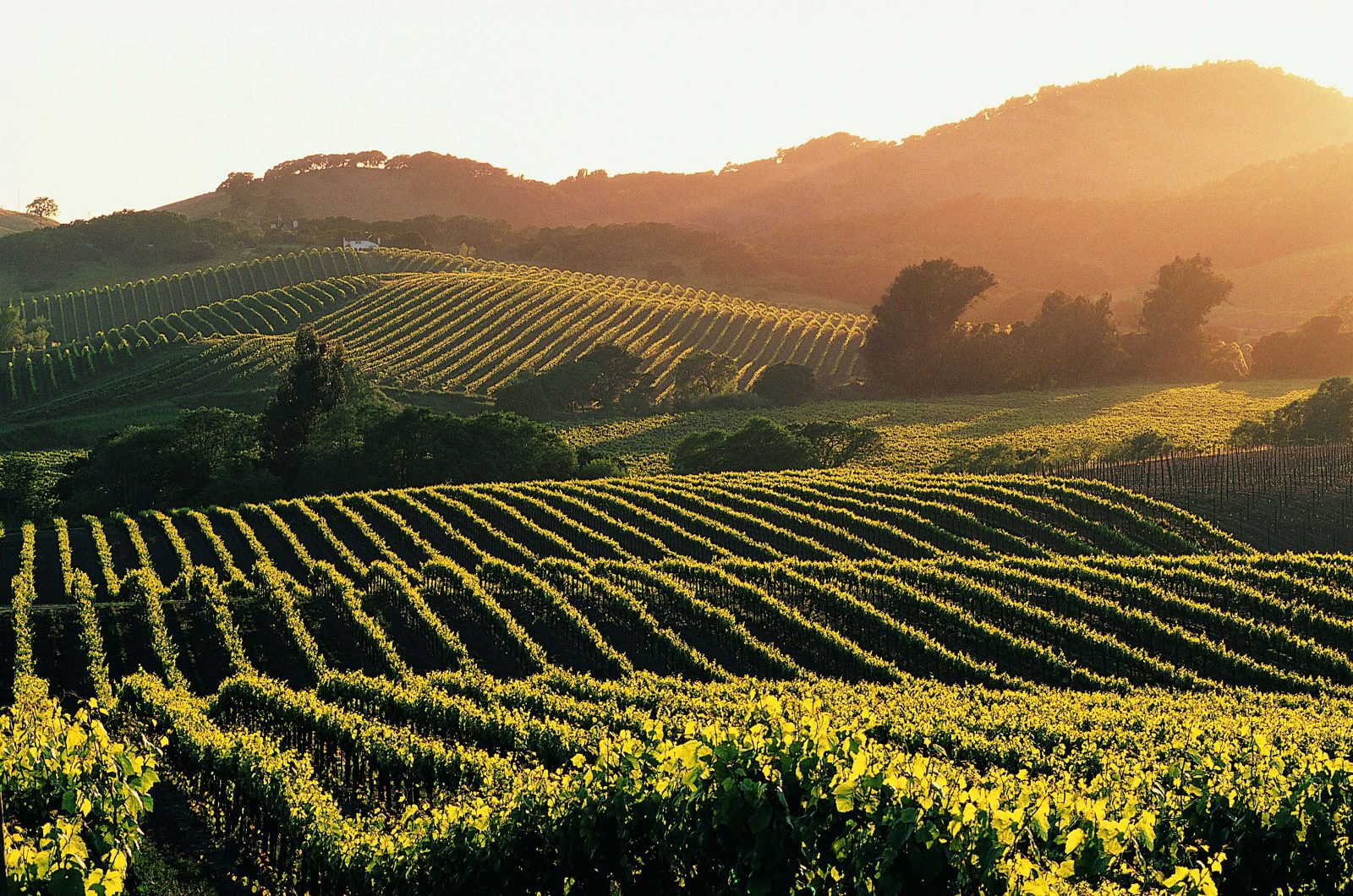
Guided tour through Sangiovese vines
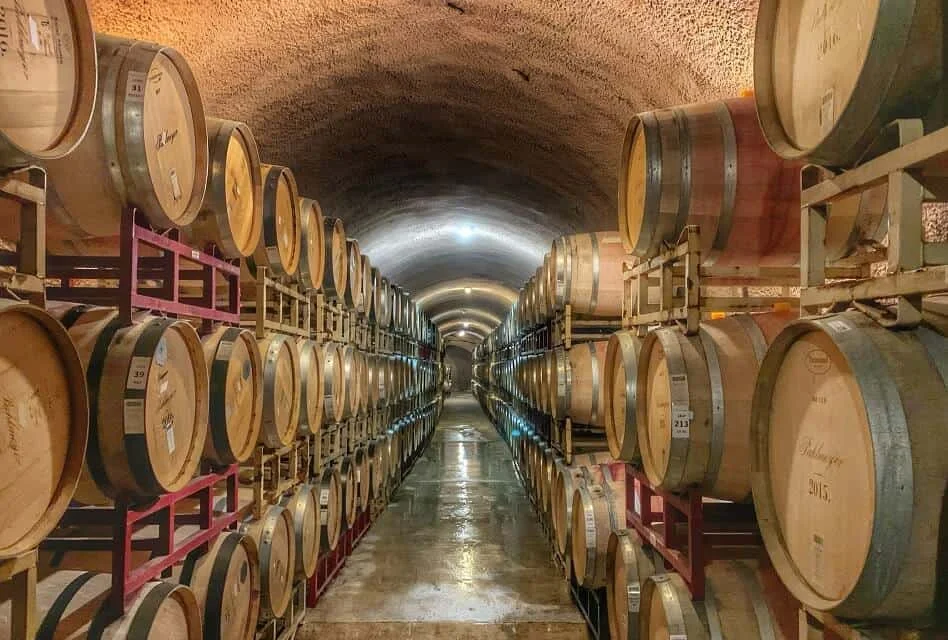
Exploration of oak barrel aging rooms
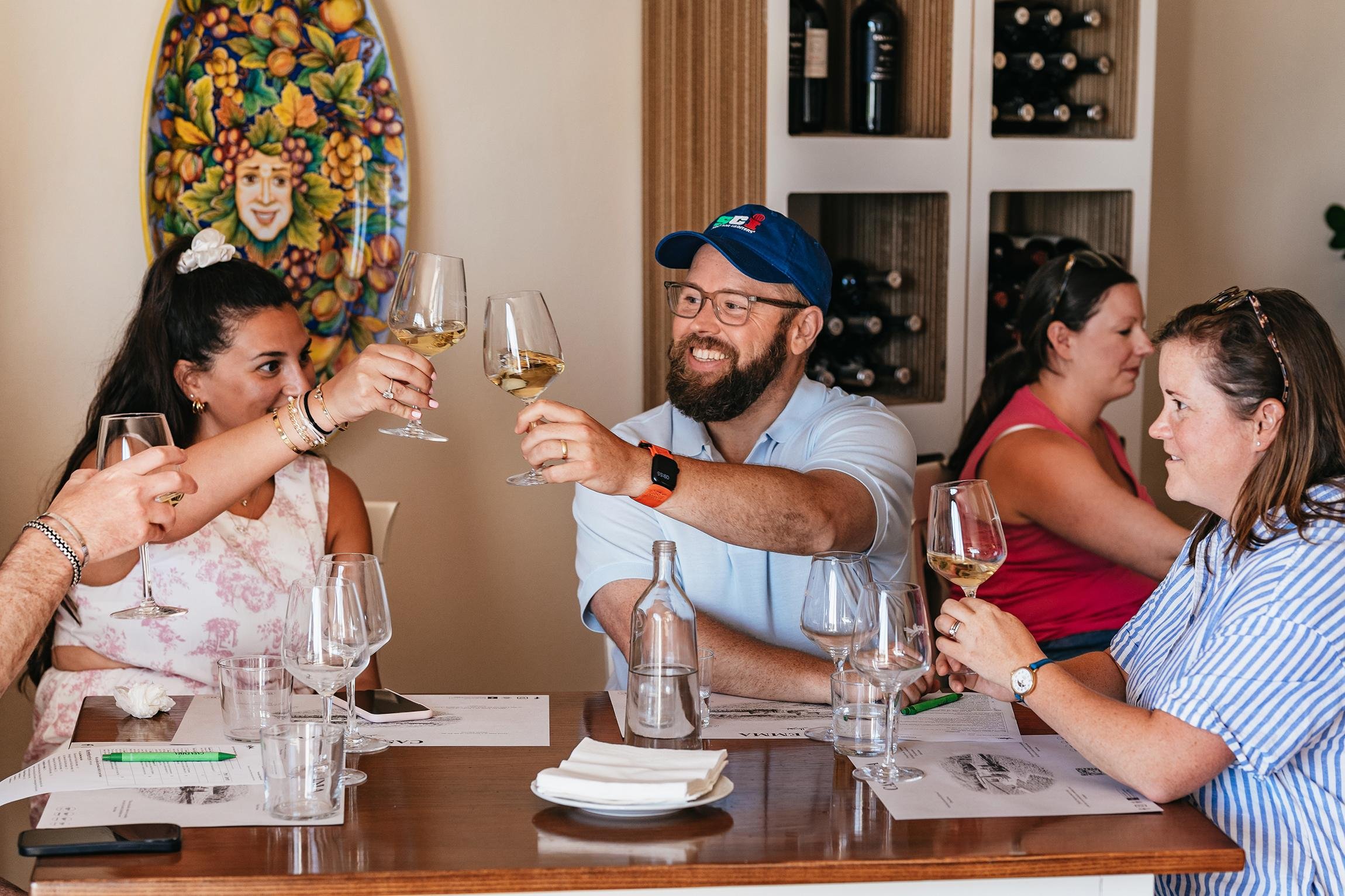
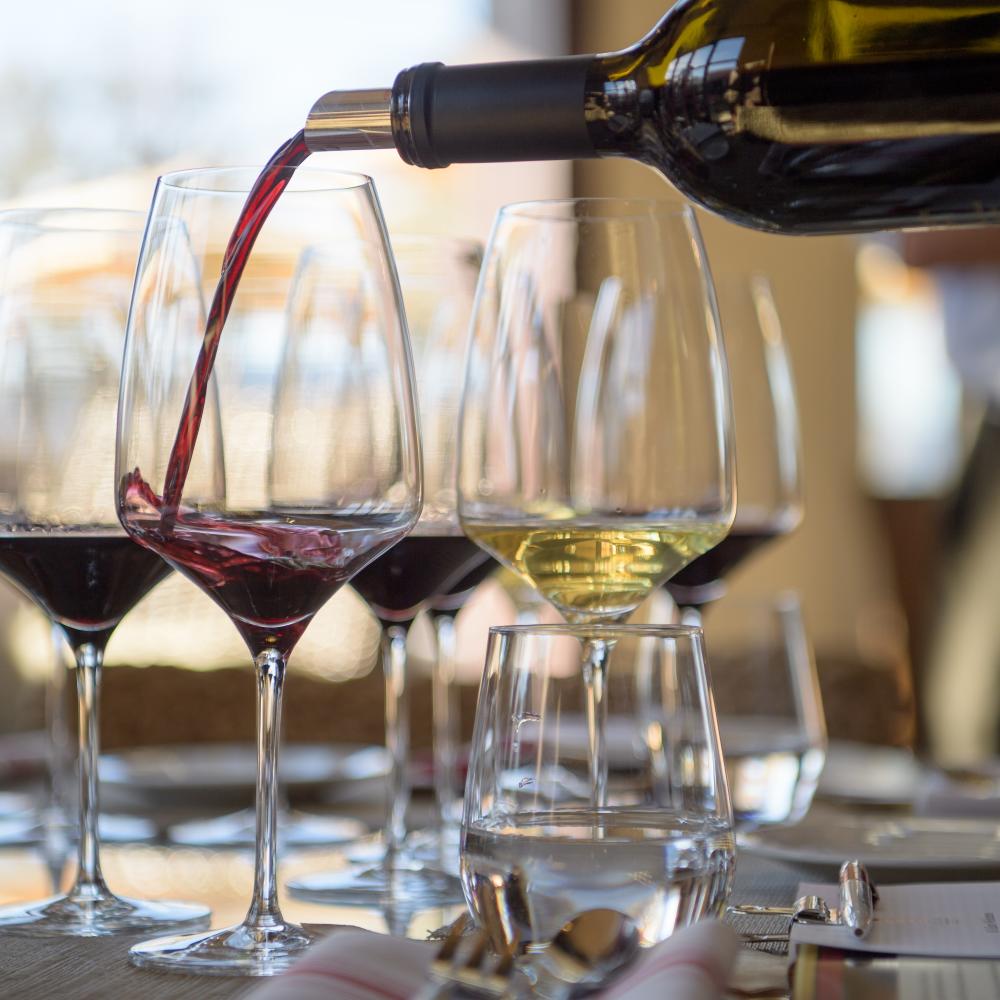
Guided flight of local labels
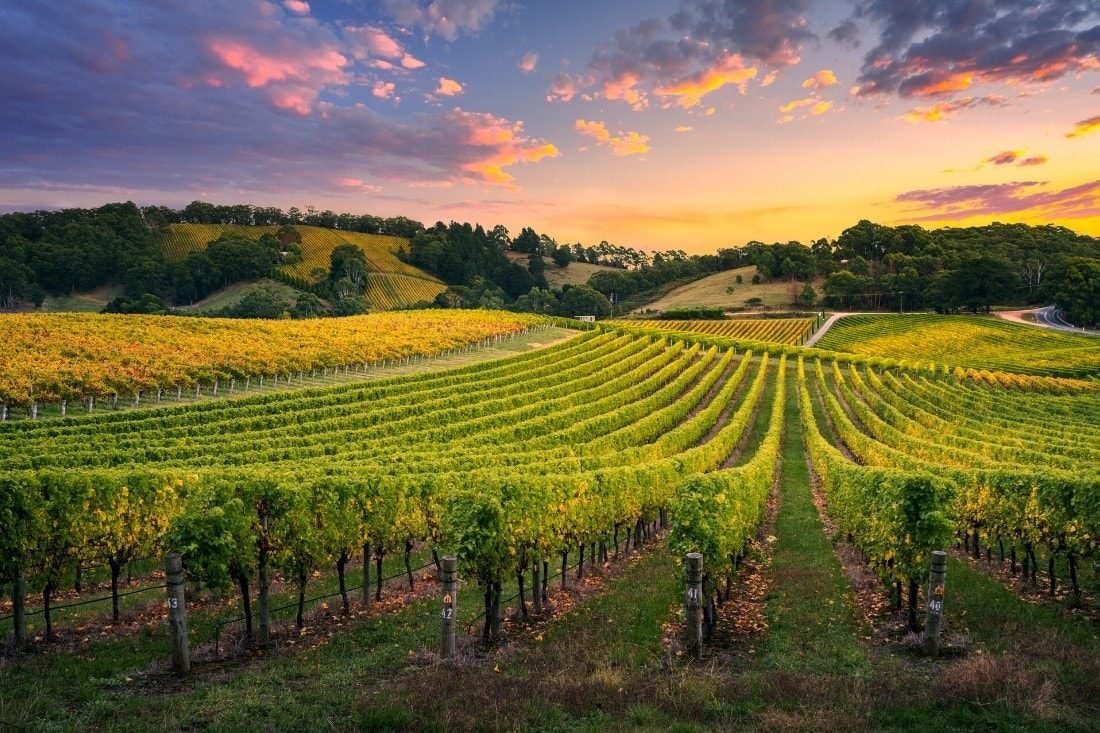
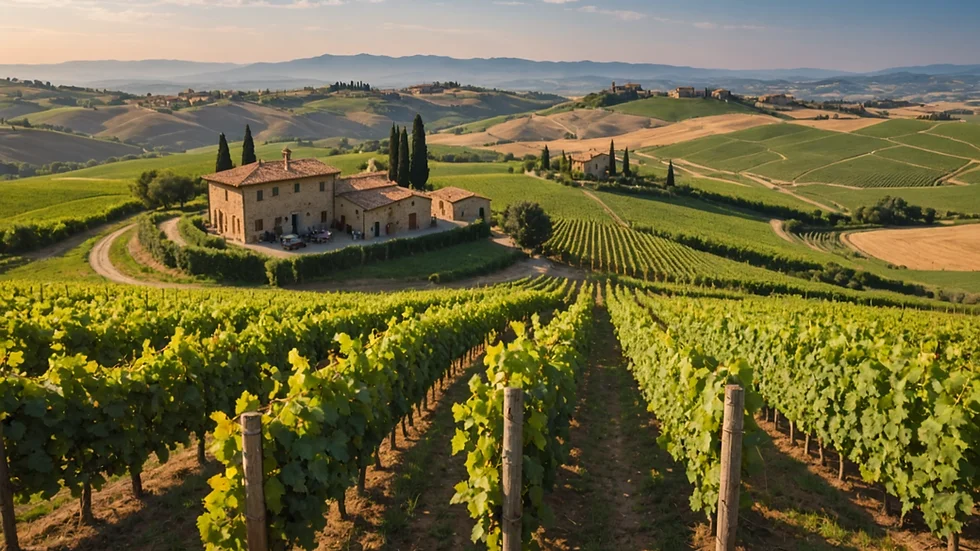
Rows of vines dating back centuries define the local landscape and wine profile. These specific plants are the foundation of the chianti florence wine tour experience.
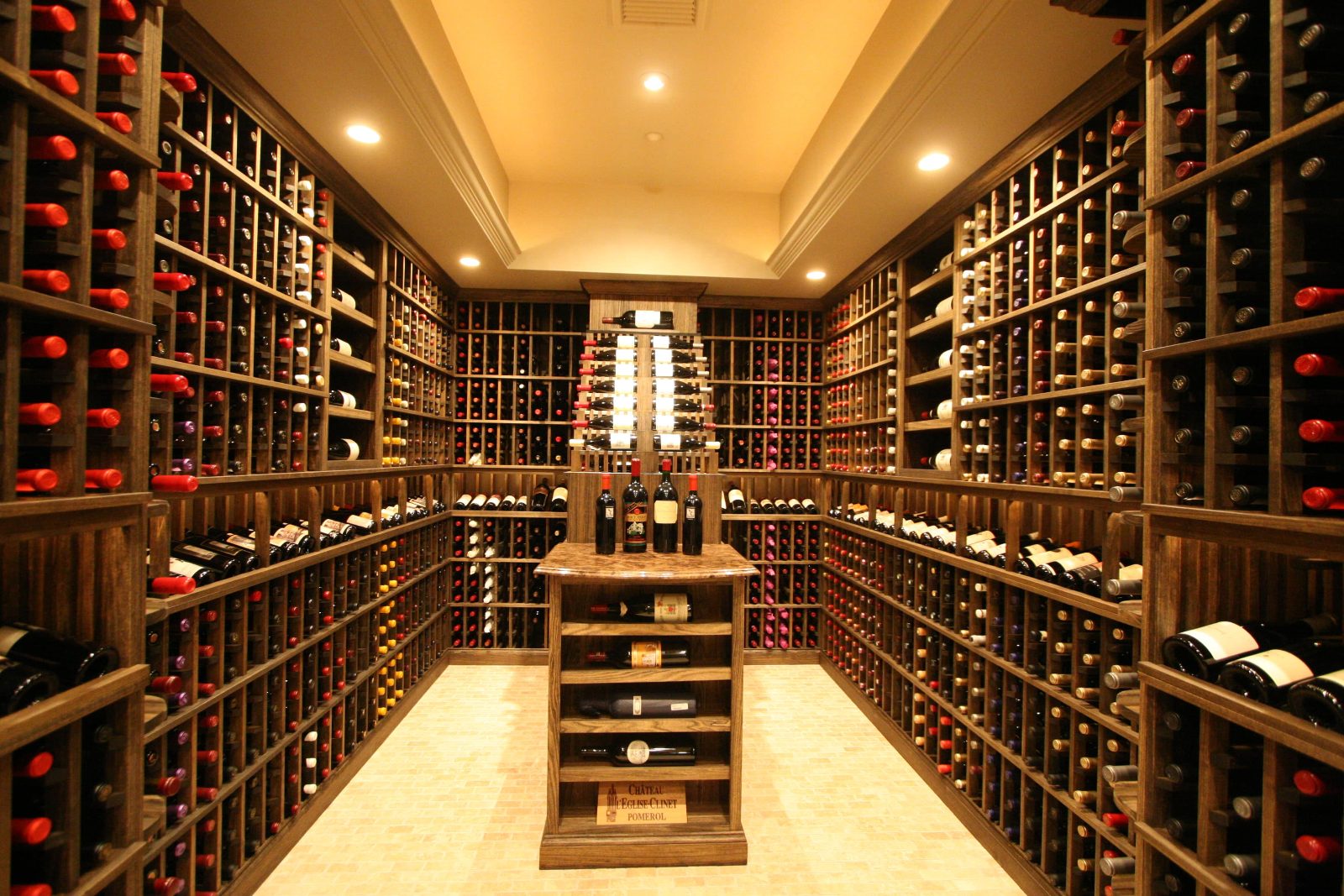
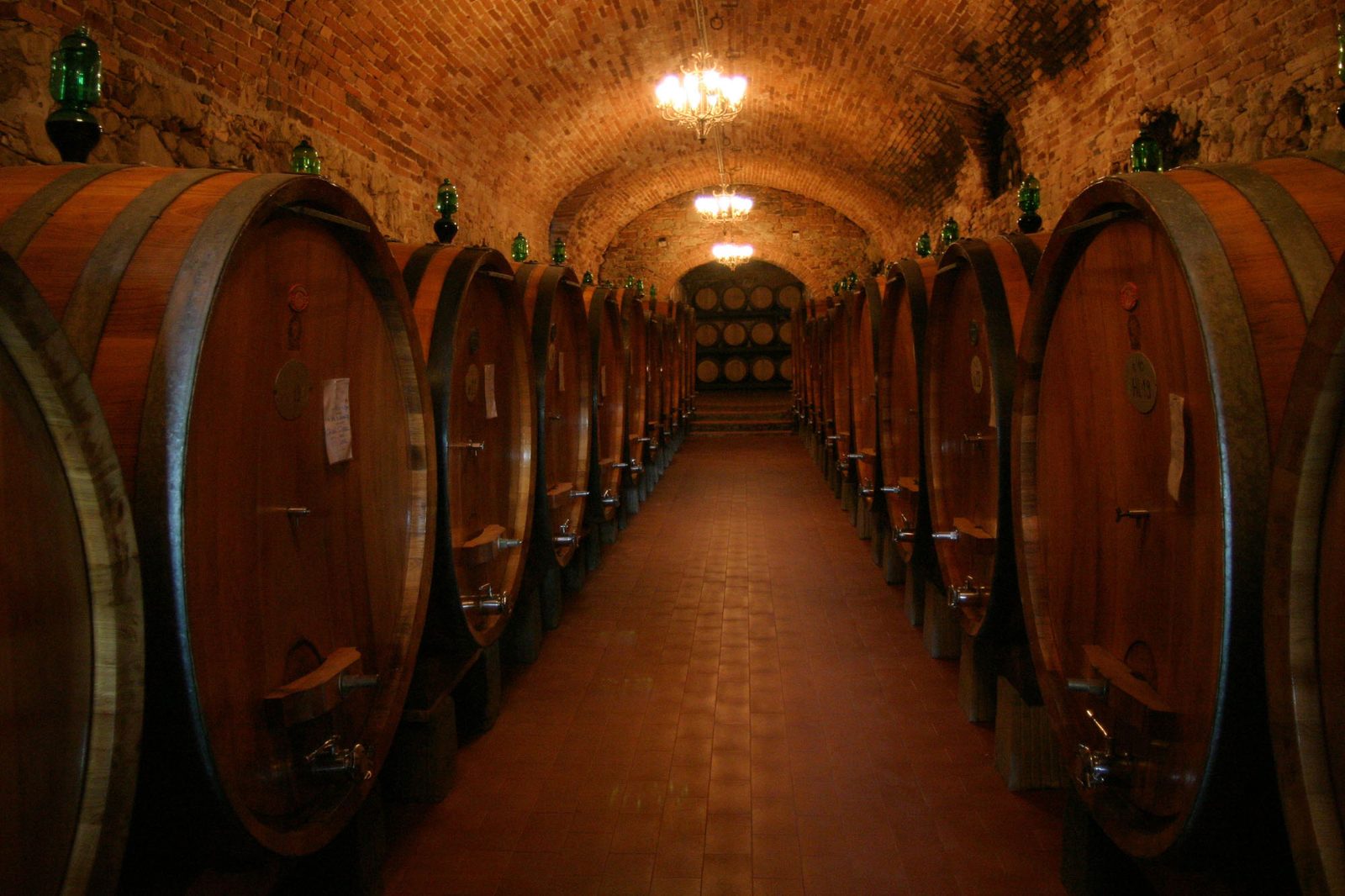
Subterranean rooms store vintage wines at constant temperatures. These historic cellars are integral to the fermentation process.
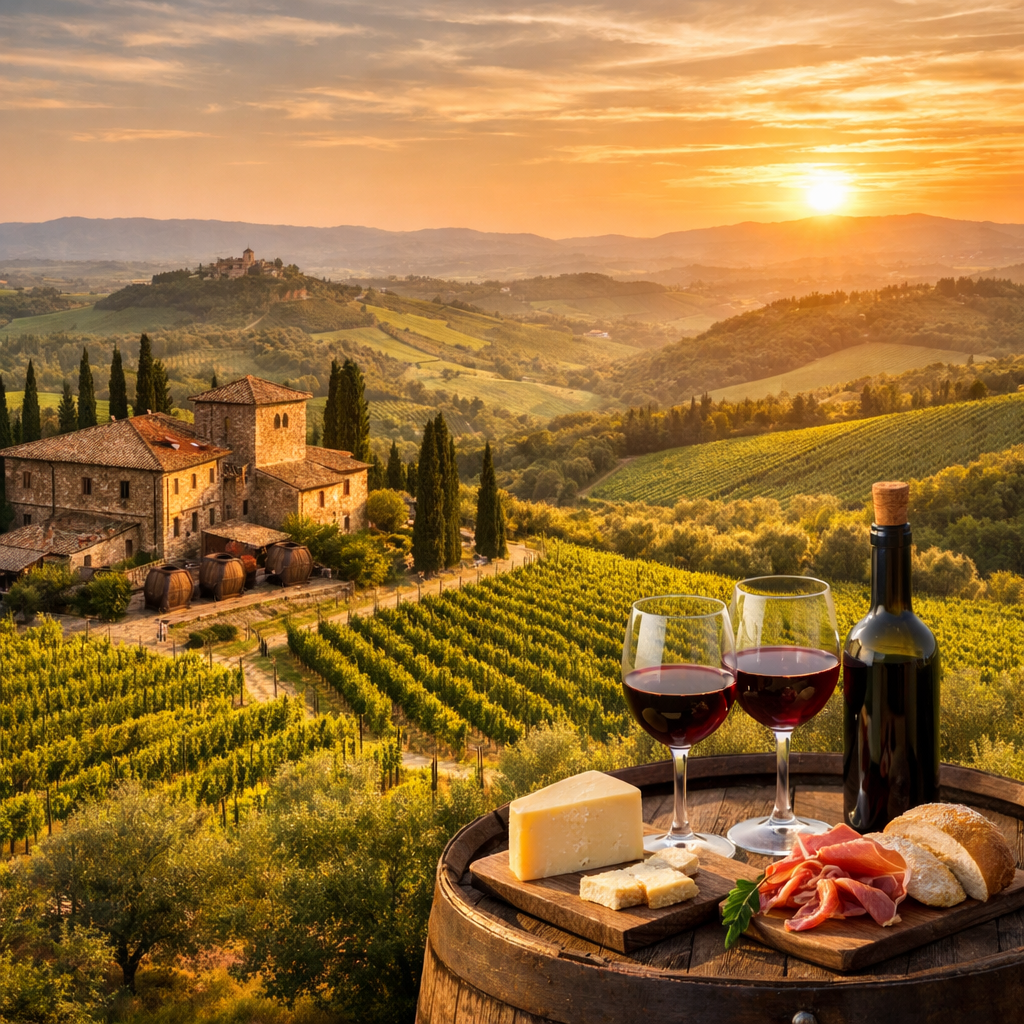
Rustic settings where guests sample local varieties. Many rooms preserve the traditional architectural style of Tuscany.
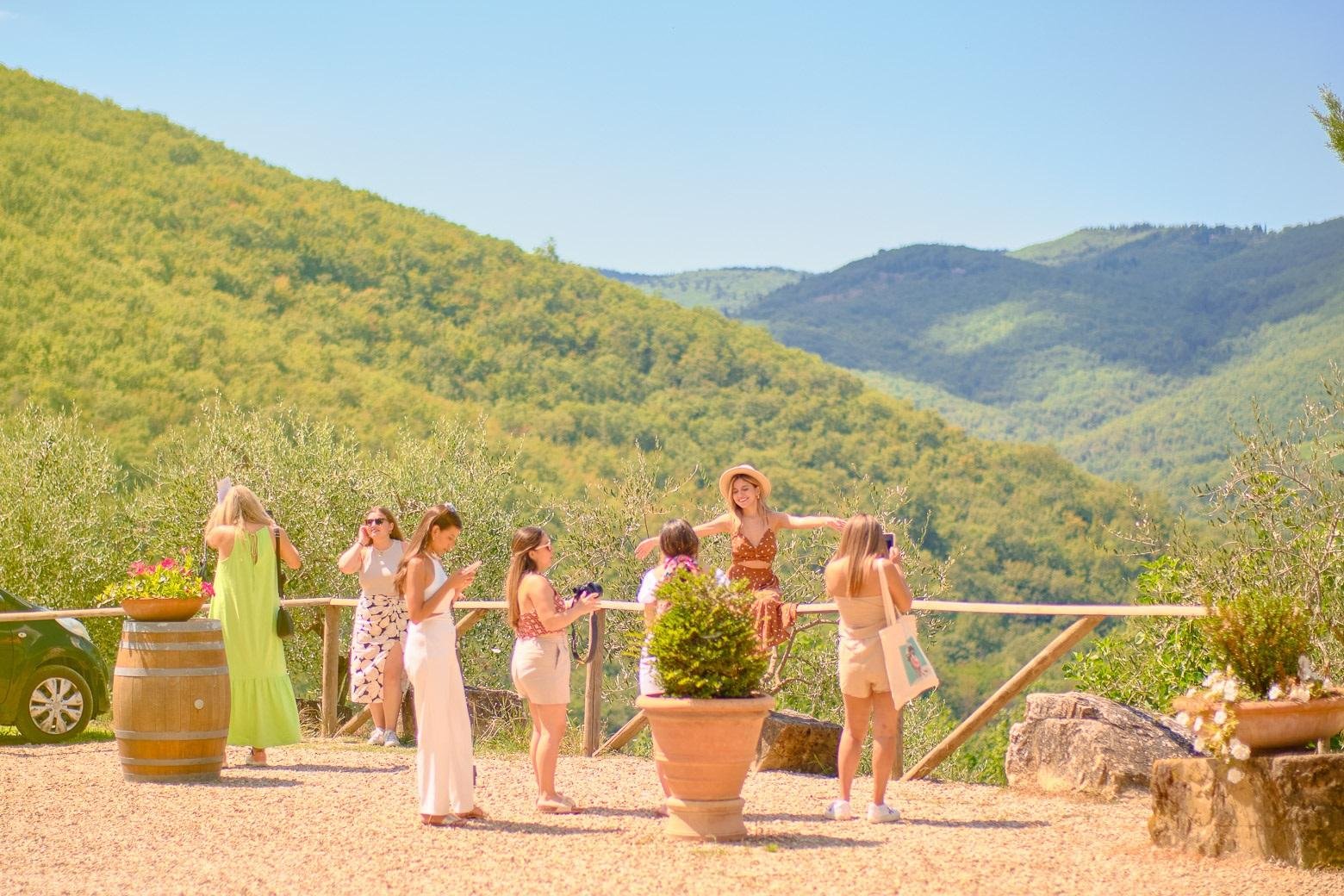
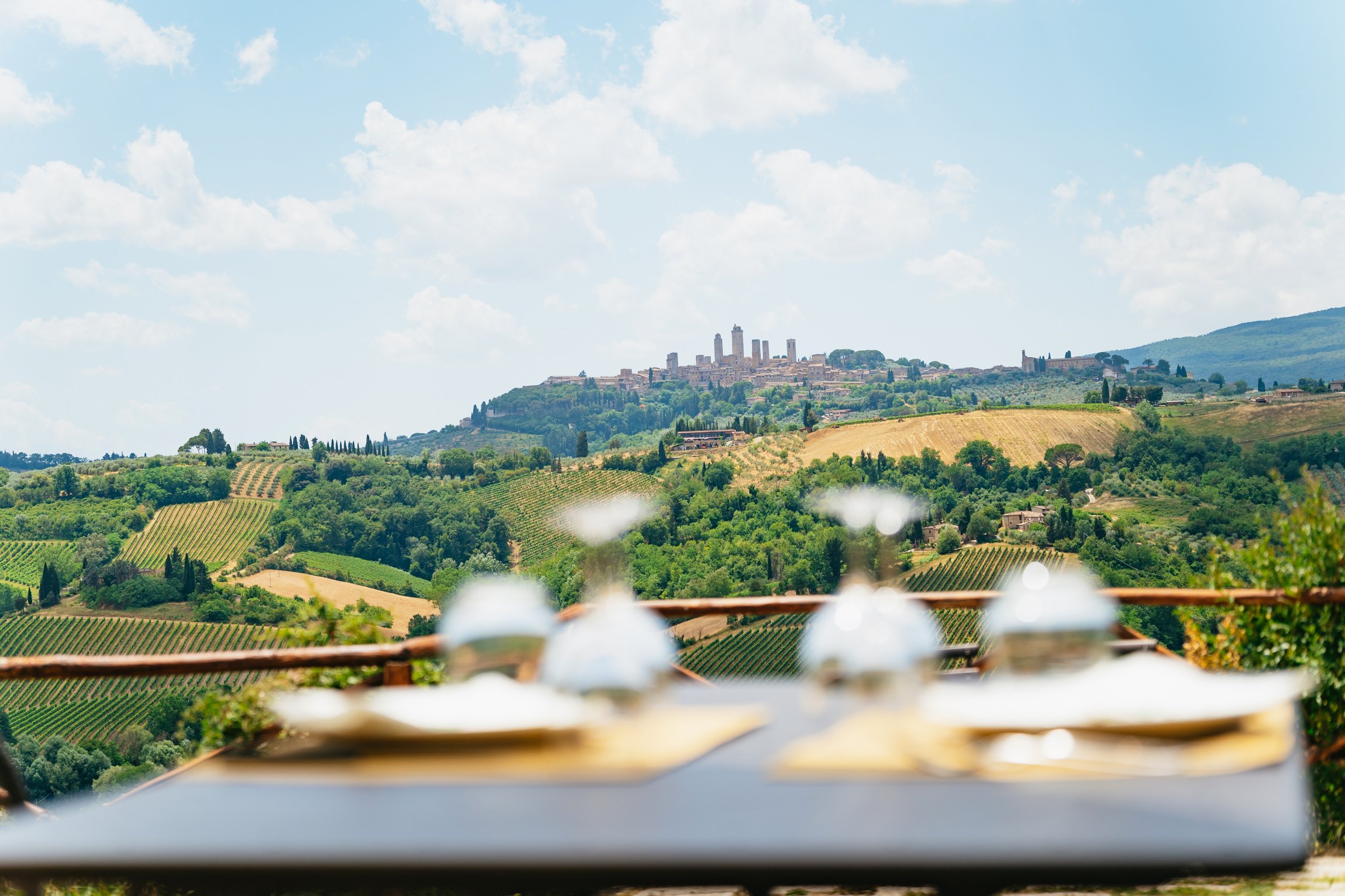
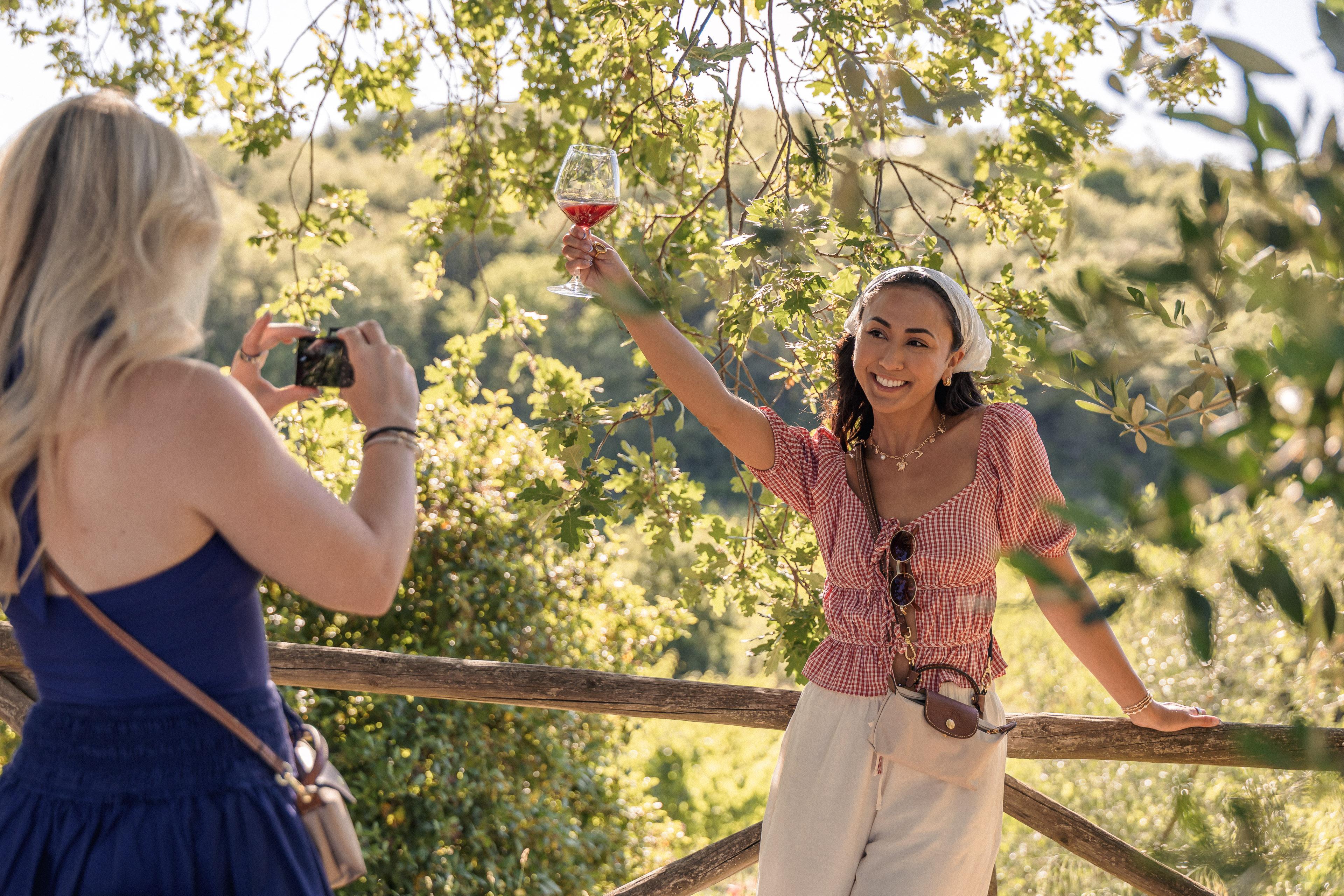
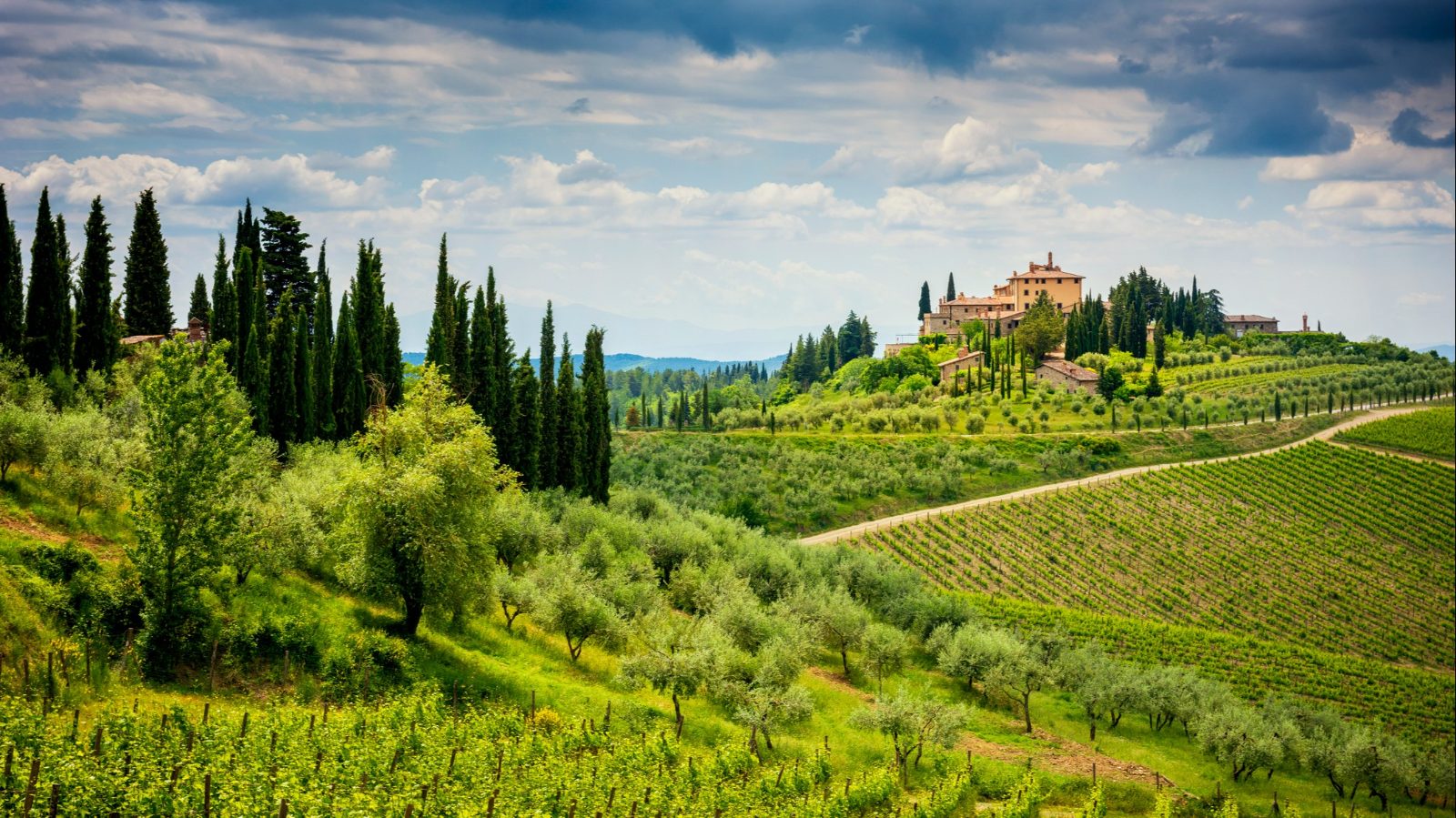
Elevated viewpoints offer panoramic vistas of the rolling Chianti hills. These spots are highly sought after for photos.
Adjacent to the vineyards, these orchards highlight the region's diverse agricultural heritage. They provide a scenic contrast to the vine rows.
You depart Florence mid-morning, leaving the Arno valley as the A1 rises into vine-covered hills. Your first stop—often a Greve or Panzano estate—begins in the cantina, where stainless steel fermentation tanks line stone walls built in the 1600s.
The winemaker pours a young Annata, explaining how Sangiovese's high acidity requires careful oak aging to soften tannins. You swirl, noting cherry and tobacco notes, then move to a Riserva aged thirty months.
The second winery offers terraced vineyard walks. You climb rows where Sangiovese vines grow at 350 meters elevation, galestro stones crunching underfoot. The guide points out Canaiolo and Colorino plants—secondary varietals blended in small percentages—while explaining yield restrictions that limit production to six tons per hectare. At the summit, Siena's towers appear on the southern horizon.
Lunch unfolds at an agriturismo: ribollita, wild boar ragù, pecorino aged in walnut leaves. The final estate specializes in Vin Santo, Tuscany's dessert wine. You descend into a cellar where caratelli—small chestnut barrels—rest beneath vaulted brick ceilings. The winemaker uncorks a 2019 vintage, pouring amber liquid over cantucci biscuits. You dip, taste oxidized apricot and hazelnut, then purchase two bottles before the return drive to Florence.
All the details about your upcoming adventure in one place
This chianti florence wine tour takes you through Tuscany's renowned wine region between Florence and Siena, visiting family-run vineyards and medieval hill towns. Your Chianti wine excursion includes tastings at DOC-certified estates, olive oil sampling, and scenic drives past cypress-lined roads and terraced vineyards. Most chianti florence wine tour tours depart from central Florence with transportation through the rolling countryside.
The Chianti region produces over 35 million bottles annually across 70,000 hectares, yet its fame rests not on volume but on the Sangiovese grape—a varietal that has defined Tuscan identity since the thirteenth century.
The Gallo Nero consortium, established in 1924, governs Chianti Classico production across communes between Florence and Siena, enforcing standards that require 80 percent Sangiovese minimum and aging protocols that separate Annata from Riserva designations. Stone farmhouses converted into cantinas dot hillsides where terroir shifts every few kilometers—galestro soils near Greve produce wines of mineral structure, while clay-limestone blends in Castellina yield rounder tannins.
Why Chianti endures as a pilgrimage site lies in its accessibility. Unlike Montalcino's fortress estates or Bolgheri's corporate vineyards, Chianti's family-run wineries welcome walk-ins and small groups, maintaining tasting rooms in medieval hamlets where cobblestone streets predate modern viticulture. The florence chianti wine tasting circuit connects properties like Castello di Verrazzano—birthplace of the explorer Giovanni da Verrazzano—and Vignamaggio, whose Renaissance villa appears in Kenneth Branagh's Much Ado About Nothing. These estates blend historical architecture with working cellars, offering vertical tastings that trace vintage variation across decades.
The region's dual identity—agricultural heartland and tourist corridor—shapes how visitors encounter it. Operators like ciao florence chianti wine tour and walkabout florence chianti wine tour structure half-day itineraries that balance production education with sensory experience, stopping at three estates where winemakers explain fermentation in stainless steel versus Slavonian oak. The chianti wine tour florence italy model prioritizes small-batch producers over industrial bottlers, ensuring participants taste single-vineyard Riservas rather than supermarket blends. September through October sees harvest activity—grape pickers working dawn shifts, pneumatic presses running in open-air cortili—adding production context absent in spring visits.
Chianti's landscape operates as both working farm and cultural artifact. Cypress-lined driveways frame views legislated by UNESCO biosphere protections, while agriturismo conversions preserve stone barns as tasting salons. The florence chianti wineries tour with wine tasting format emerged in the 1990s when estate owners recognized that direct sales and hospitality income could stabilize revenue against commodity market volatility. Today's visitors walk terraced vineyards where rootstock dates to post-phylloxera replanting, learning how altitude and sun exposure dictate picking schedules measured in days, not weeks.
Chianti's family-run wineries welcome walk-ins and small groups, maintaining tasting rooms in medieval hamlets where cobblestone streets predate modern viticulture.
Smart casual attire is recommended for a typical chianti florence wine tour. Sturdy footwear is advisable for navigating gravel vineyard paths and historic cellar steps.
Large backpacks or oversized luggage are discouraged due to limited space in tasting rooms. Keep personal belongings secure during your chianti florence wine tour as facilities often lack lockers.
Personal photography is generally permitted in vineyards and outdoor spaces during a chianti florence wine tour. Please respect the privacy of other guests and refrain from photographing sensitive winemaking equipment in private cellars.
Some estates hosting a chianti florence wine tour allow children, though wine tasting is restricted to adults over 18. Check individual operator policies regarding age limits for vineyard walks.
Vineyard terrain can be uneven and challenging for those with limited mobility. Contact your chianti florence wine tour operator in advance to verify if specific estates offer accessible cellar access.
Outside food is not permitted during a structured chianti florence wine tour tasting session. Water is typically provided, and local snacks may be available for purchase at the estate.
Opening hours
00:00–23:59
Address
Chianti, Tuscany, Italy
Accessibility
Varies by winery infrastructure
Arrival window
09:00–11:00
Official site
https://www.visitchianti.net
Car · Varies · Rental and fuel costs
The most flexible way to visit; take the SR222 (Chiantigiana) highway.
Bus · 1-2 hours · Affordable regional fare
Local lines connect towns like Greve, though they offer limited access to remote estates.
Individual tour providers set independent terms for a chianti florence wine tour. Most operators require 24 to 48 hours notice for a full refund of any prepaid booking fees, noting that the base entrance fee to the region remains 0 EUR.
Recommended time
6-8 hours
A full day provides the most relaxed pace for a chianti florence wine tour as you explore rolling hills and olive groves. Planning for this duration ensures you can visit multiple estates and enjoy local tastings without rushing between appointments. Travelers seeking chianti florence wine tour tickets should prioritize morning arrivals to secure personal attention before larger groups arrive. You might adjust your chianti florence wine tour tours schedule if you prefer a slower lunch or an extended vineyard walk.
Crowd levels through the day
Weather · crowds · average price — dots go green to amber to red as each metric rises.
Mild temperatures and blossoming vines make for a pleasant chianti florence wine tour experience.
Expect high temperatures and peak tourist crowds throughout the Chianti wine region.
September marks the harvest season, providing a dynamic look at wine production.
Quieter period with cooler weather, ideal for intimate cellar visits without crowds.
Secure your chianti florence wine tour tickets early during the September harvest season.
Carry a reusable water bottle during your chianti florence wine tour walks.
Ensure your return transit is planned if consuming alcohol during tastings.
Weather in the vineyards can change quickly even during a sunny chianti florence wine tour.
Do not pick grapes or climb vines during your visit.
The Chianti region between Florence and Siena emerged as a contested borderland in the medieval period, with fortified villages and castles dotting hillsides that would later bear vineyards. The Lega del Chianti, a military alliance formed in 1250, united the comuni of Castellina, Radda, and Gaiole under Florentine rule. The league's black rooster emblem survives today as the symbol of Chianti Classico wine. Viticulture existed in Roman times, but organized wine production intensified after the 13th century as Tuscan merchants sought agricultural revenue. Baron Bettino Ricasoli, prime minister of the newly unified Italy, transformed Chianti in the 1870s by codifying a grape blend formula at his Brolio estate. His recipe combined Sangiovese with smaller portions of Canaiolo and white Malvasia grapes, creating the foundation for modern Chianti wine tours from Florence. The formula became law in 1967 when Italy established its Denominazione di Origine Controllata system. The inclusion of white grapes, however, sparked decades of debate among producers who believed it diluted quality. Phylloxera devastation in the 1880s forced replanting across Tuscany. Sharecropping families, the mezzadri, cultivated mixed crops between vine rows until mechanization arrived in the 1950s. The 1970s brought crisis when cheap bulk Chianti flooded export markets, damaging the region's reputation. A rebellion emerged in the 1980s as producers like Antinori released Super Tuscan wines outside DOC regulations, using international grape varieties and aging methods inspired by Bordeaux. The controversy prompted regulatory reform in 1996, removing mandatory white grapes and elevating quality standards for chianti florence wine tour experiences. Today the Chianti Classico consortium represents over 500 estates across 70,000 hectares, with the Gran Selezione designation introduced in 2014 for estate-bottled reserve wines. The medieval stone villages and Renaissance villas that anchored chianti florence wine tour tickets now host tasting rooms, preserving architectural heritage while adapting to modern tourism infrastructure.
The Lega del Chianti military alliance unites three comuni under Florence, adopting the black rooster symbol still used by Chianti Classico producers.
Baron Ricasoli formulates the Chianti grape blend at Brolio Castle, establishing Sangiovese as the dominant variety with Canaiolo and Malvasia additions.
Phylloxera epidemic destroys vineyards across Tuscany, forcing replanting and reshaping agricultural practices in the region.
Italy creates the DOC system, legally defining Chianti production zones and mandating Ricasoli's original grape formula.
Antinori releases Tignanello outside DOC rules, igniting the Super Tuscan movement and challenging traditional Chianti regulations.
Regulatory reform removes mandatory white grapes from Chianti Classico, allowing producers to use 100% Sangiovese and modernize aging requirements.
The Gran Selezione classification debuts for estate-grown reserve wines, representing the highest tier of Chianti Classico production.
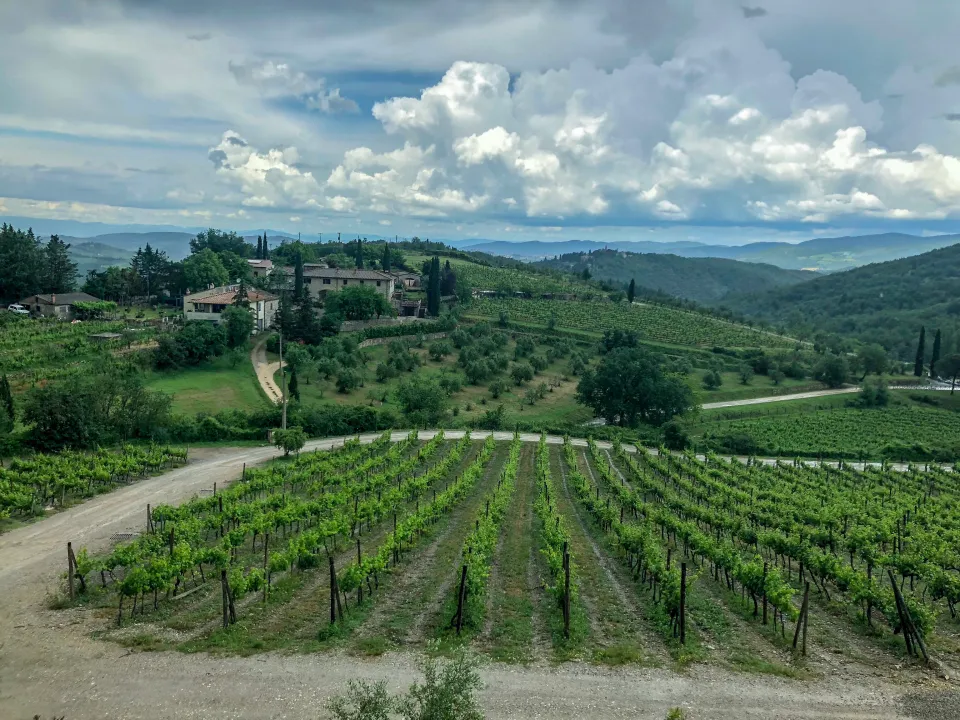
Stand at the edge of the stone terrace to capture sweeping views of rolling hills covered in Sangiovese vines. This is a common stop on a chianti florence wine tour to frame the rural Tuscan landscape.
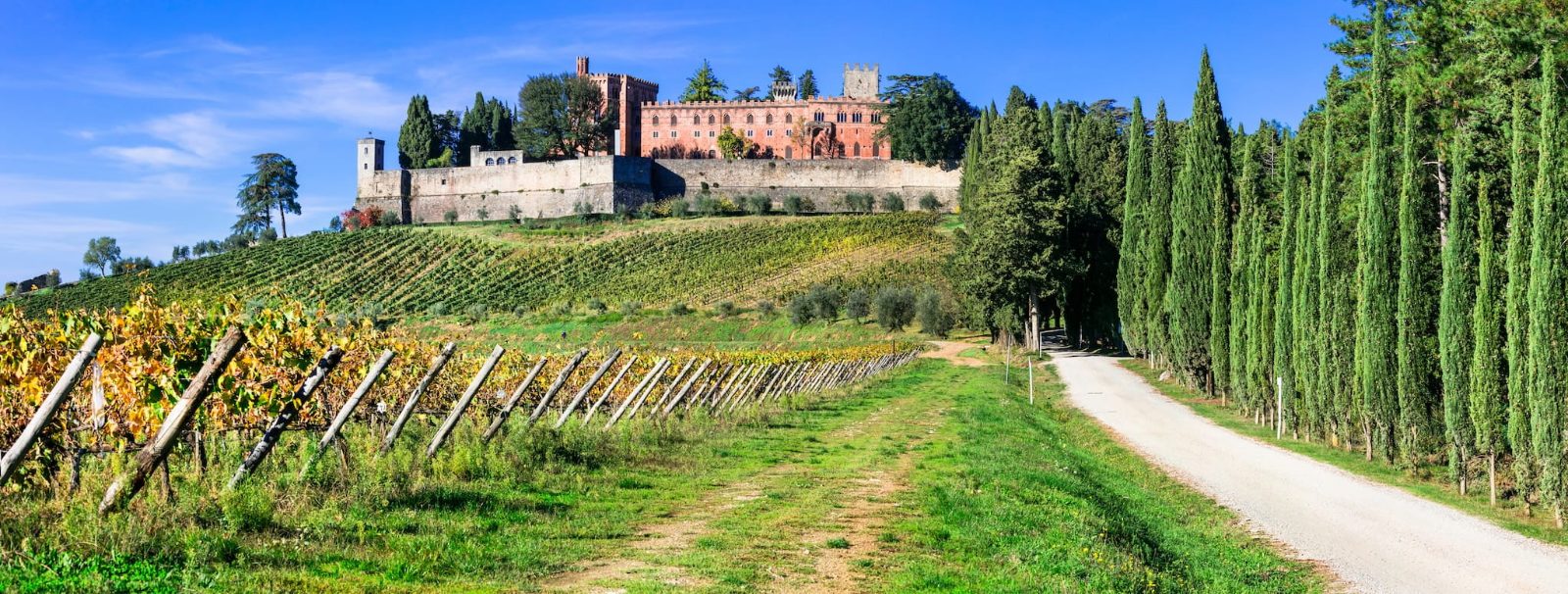
Position your camera along the iconic unpaved road lined with tall cypress trees leading toward the castle gate. It provides a classic, symmetrical composition of the Chianti Florence wine tour tours experience.
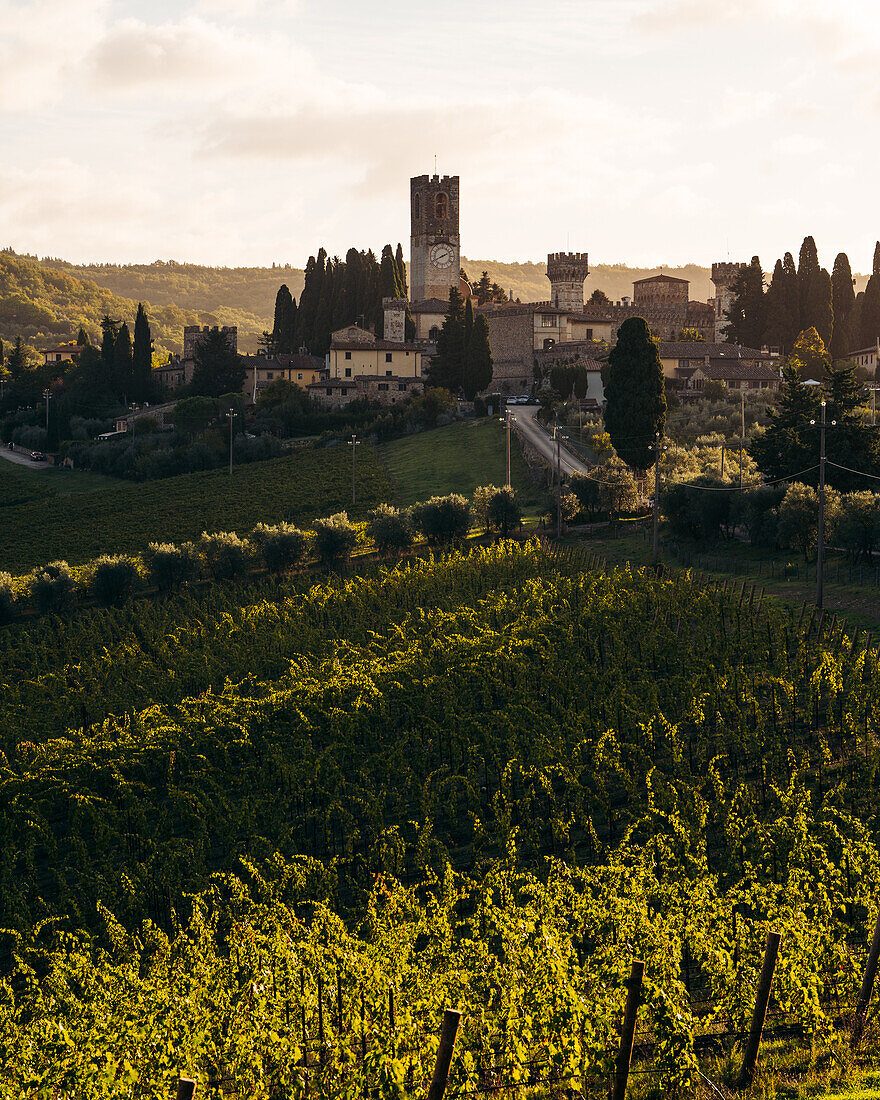
Capture the medieval stone architecture and the surrounding olive groves from the hillside path opposite the abbey. This chianti florence wine tour tour location offers deep contrast between the ancient walls and the natural greenery.
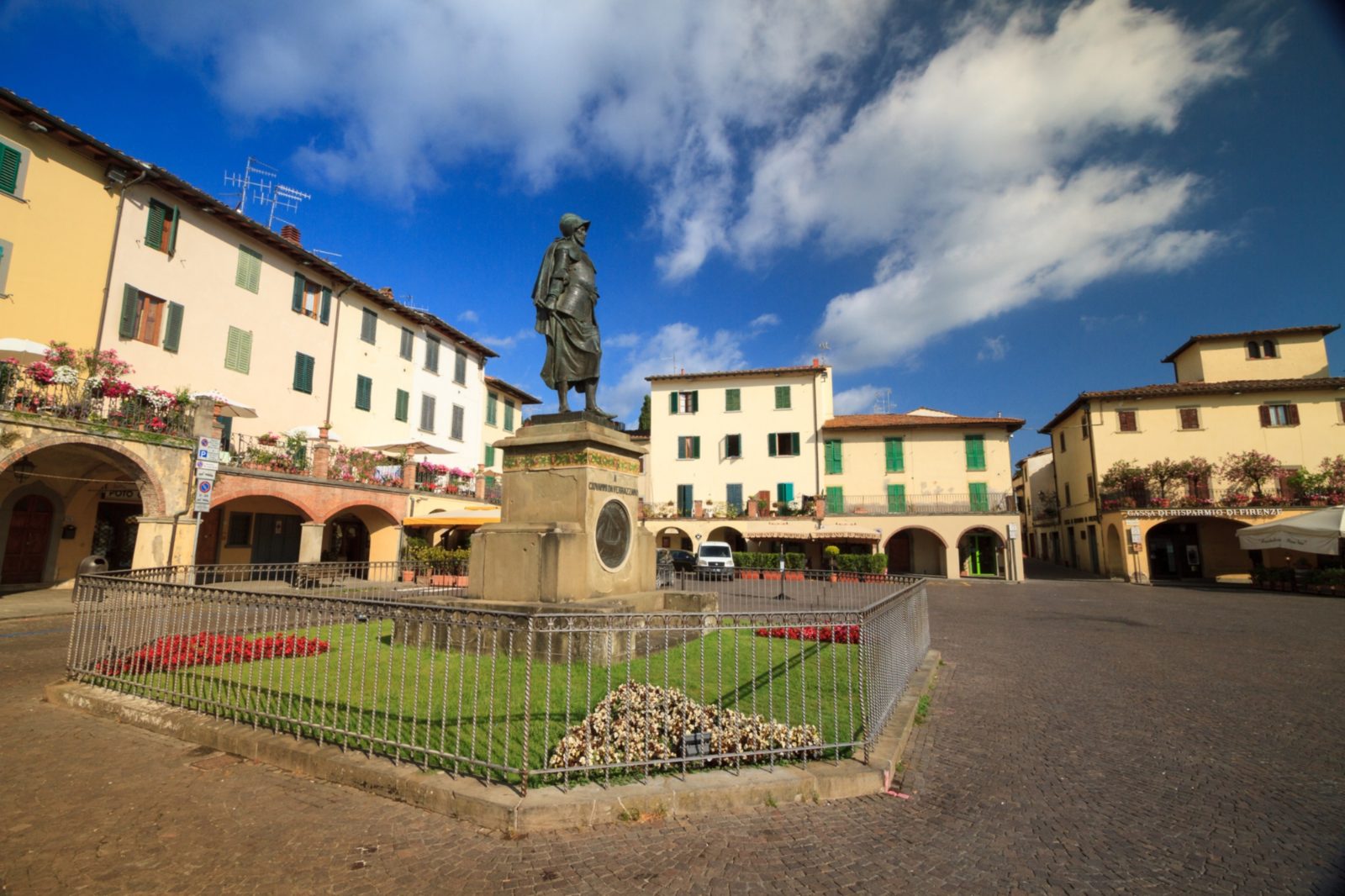
Stand near the center of the triangular-shaped piazza to frame the colorful facades and historic loggias. These chianti florence wine tour tickets entry points offer a charming look at local village life.
Dining options near a chianti florence wine tour range from estate-grown farm-to-table lunches to traditional trattorias tucked away in ancient hill towns. Visitors often pair their vineyard explorations with local Tuscan terroir and rustic bread, while many wineries offer private culinary experiences as part of their chianti florence wine tour tours.
Located within the Badia a Passignano complex, this venue offers refined plates that complement the local Sangiovese during your chianti florence wine tour tour.
Real experiences from real travelers
Our guide collected us from Florence and drove through genuine countryside to three family estates. The vineyard tours from Chianti offered more depth than expected, with real explanations of Sangiovese cultivation. Lunch paired with reserve bottles was generous. Worth booking ahead.
Visited small producers who actually make the wine rather than corporate operations. The chianti florence wine tour tickets included transport and tastings at all stops. Second winery had a medieval cellar that felt untouched since the 1600s.
Our guide explained DOCG classifications clearly during the drive between estates. Each stop on the Florence wine country tour offered different styles, from young Chianti Classico to aged Riserva. The landscape alone justified the trip.
Three wineries in five hours felt slightly rushed but the quality was there. Learned to distinguish Chianti Classico from basic Chianti by the Gallo Nero seal. Olive oil tasting at the final estate was a good addition.
We drove through the Chianti region on back roads between Castellina and Panzano. The small group format meant real conversations with winemakers. Lunch overlooking vine terraces paired perfectly with a 2021 vintage.
Booked chianti florence wine tour tours through our hotel concierge. The guide knew which estates offered cellar access versus just tasting rooms. San Gimignano stop on the return was a welcome bonus.
The rolling hills between Florence and Siena are exactly as pictured. Each winery taught us something different about terroir and aging methods. Transportation was comfortable and the pace felt right.
Our March visit meant fewer crowds at the estates. The chianti florence wine tour included stops at both organic and traditional vineyards. Watching fog lift from the valleys while tasting a 2019 Riserva was memorable.
Not pretentious, genuinely educational. Guide explained how altitude and soil composition affect flavor profiles across different Chianti subzones. The pairing lunch used local pecorino and salumi that complemented the wines perfectly.
Everything you need to know for your journey
The region is accessible 24 hours daily, though specific wineries operate within their own schedules from 00:00–23:59.
Entry to the Chianti region is 0 EUR, but you must purchase specific chianti florence wine tour tickets for guided estate access.
A standard visit lasts approximately 2 to 3 hours, depending on the number of estates visited.
Many tours allow minors, but verify specific family-friendly policies for your chianti florence wine tour before booking.
Most operators allow cancellations 24–48 hours in advance; check your specific provider's terms.
Yes, you can explore the region independently for 0 EUR, but a guided tour provides deeper insight.
We recommend an arrival window of 09:00–11:00 to avoid mid-day heat and crowds.
Casual clothing is fine, but wear comfortable shoes for walking on uneven terrain during your visit.
Yes, personal photography is permitted, though you should avoid sensitive cellar equipment during the tour.
Parking is available at most wineries; check your confirmation for specific logistics.
Historic castle featuring extensive gardens and defensive walls.
Romanesque parish church known for its ancient architectural elements.
A historic abbey surrounded by ancient cypress trees and vineyards.
Exclusive estate lodging featuring contemporary art installations.
Traditional farmhouse stays offering authentic rural experiences.
Central base for those exploring via local transit.
Join thousands of happy travelers who have discovered this incredible experience
Book Your Experience Now