

Quick answer
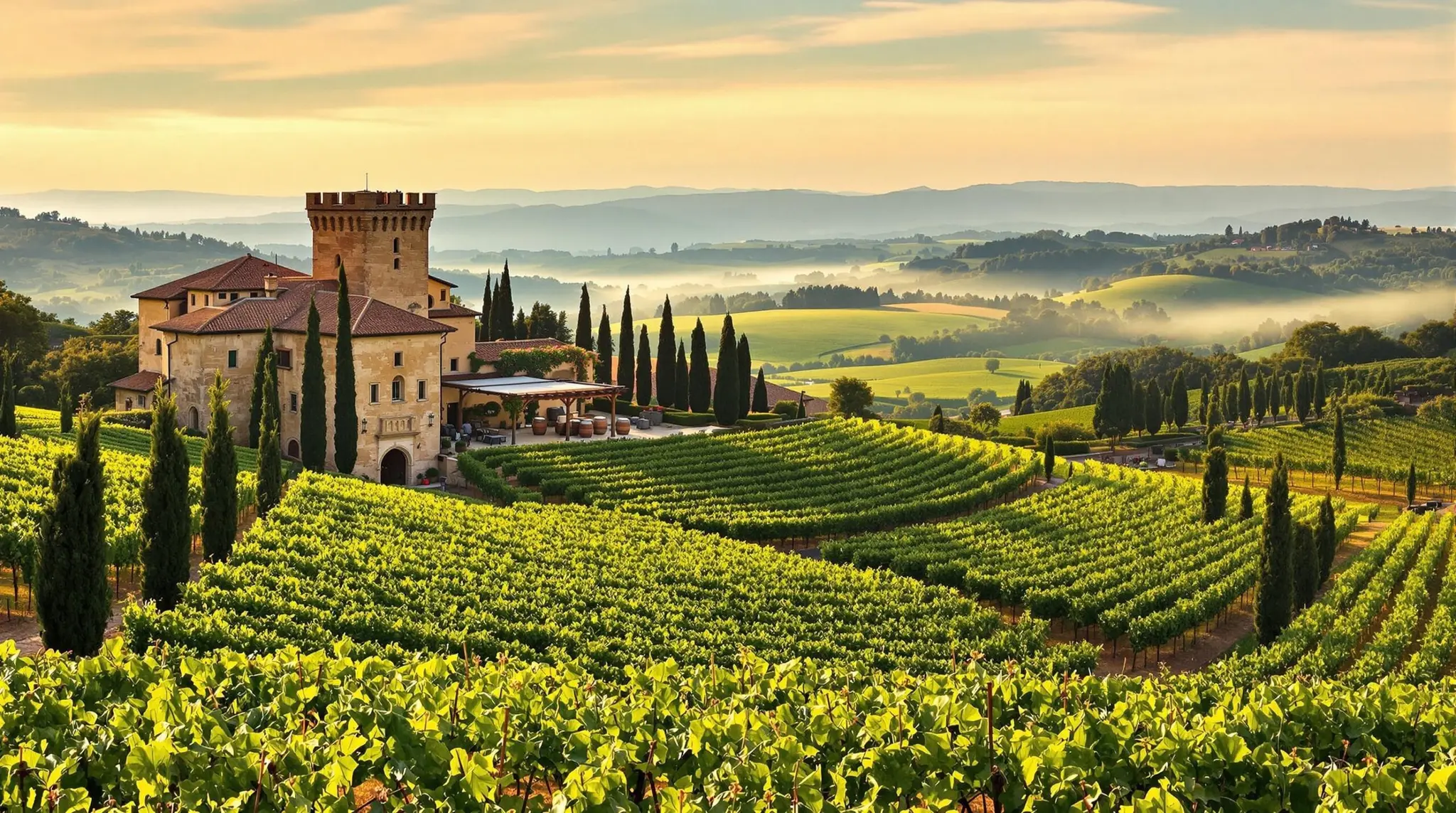
Florence is known for Chianti Classico, a DOCG red wine made primarily from Sangiovese grapes grown in the hills between Florence and Siena. The Chianti region surrounding Florence produces wines bearing the Gallo Nero (black rooster) seal, distinguishing them from broader Chianti appellations. Vineyard estates across the zone offer tastings during daylight hours, typically between 09:00 and 17:00.
The Gallo Nero emblem appears on fewer than half the bottles labeled Chianti. Only wines from the original heartland—the hills stretching south from Florence through Greve, Panzano, Castellina, and Radda—earn the Chianti Classico DOCG designation. Sangiovese dominates every blend, contributing the tart cherry, earth, and herbal notes that define the style. What wine is Florence known for depends on which vineyard zone you visit. The Rufina subzone east of the city produces leaner, more mineral expressions. The Colli Fiorentini hills immediately south yield softer, earlier-drinking wines. The Classico heartland between Florence and Siena commands the highest reputation, with estates like Castello di Brolio and Antinori credited with modernizing Tuscan winemaking during the 20th century. The region operates without a single entrance fee; each estate sets its own tasting policies. Vineyards open their cellars by appointment or walk-in during daylight hours. Harvest season runs from late September through October, when the Sangiovese clusters reach optimal ripeness. Spring and early autumn offer the clearest weather for touring the villa estates and medieval wine towns. The Chianti region does not close on specific weekdays—each producer maintains its own schedule. Florence's wine identity is inseparable from the Sangiovese variety and the limestone-rich soils that stretch across the Tuscan hills. The Chianti Classico consortium enforces strict production standards, requiring at least 80 percent Sangiovese in every bottle and aging minimums that vary by classification. Riserva bottlings spend two years in barrel and bottle before release. Gran Selezione, the top tier introduced in 2014, requires three years of aging and single-estate fruit. Understanding what wine is Florence known for means tracing the Gallo Nero seal back to the medieval boundary dispute that first defined the Classico zone in 1716.
“The Gallo Nero emblem appears on fewer than half the bottles labeled Chianti.”
What Wine Is Florence Known For: The Chianti Tradition
Florence is historically synonymous with Chianti, a wine defined by the Sangiovese grape and deep-rooted Tuscan viticulture. This relationship between the city and its surrounding hills has shaped regional identity for centuries.
In 1716, Cosimo III de' Medici, Grand Duke of Tuscany, issued an edict formally recognizing Chianti as a wine-producing region. This document serves as one of the first known examples of a delimited wine territory in history.
Sangiovese is the primary grape
Chianti must be composed of at least 70% to 80% Sangiovese grapes depending on the specific designation. This variety is valued for its high acidity, firm tannins, and notes of red cherry and dried herbs.
The Gallo Nero symbol
The Black Rooster, or Gallo Nero, serves as the historical emblem of the Chianti Classico consortium. Legend dates the symbol to a medieval competition between Florence and Siena to define their borders.
Chianti Classico versus Chianti
Chianti Classico refers specifically to the historic heartland between Florence and Siena. Wines produced here must adhere to stricter production regulations compared to general Chianti wines.
Altitude influences flavor profiles
Vineyards in the Chianti region are situated at varying altitudes, typically between 200 and 500 meters above sea level. Higher elevations often result in cooler temperatures, which help maintain the balanced acidity of the Sangiovese grapes.
Soil composition matters
Best Time to Experience What Wine Is Florence Known For
The optimal window for visiting Chianti is during the shoulder seasons of spring and autumn, which offer mild weather and favorable conditions for vineyard tours. For daily scheduling, adhere to the best arrival window of 09:00–17:00 to ensure access to tastings and property grounds.
Spring (April–May)
ModerateMild, 15°C to 22°C
Vines are budding and the countryside is green. Temperatures are comfortable for walking tours.
Summer (June–August)
HighWarm to hot, 25°C to 32°C
Vineyards are lush, though this period attracts the largest number of visitors. Early morning visits are recommended to avoid heat.
Autumn (September–October)
ModerateCooler, 16°C to 24°C
Harvest season begins, offering a view of the winemaking process. Conditions remain pleasant for outdoor activities.
Daily Arrival
Low to moderate—
Visit during the best arrival window of 09:00–17:00. Daylight hours provide the necessary visibility for exploring estates.
Verdict: The best time to experience the region is during April, May, September, or October, specifically within the 09:00–17:00 arrival window.
How to Reach the Region Known for What Wine Florence Produces
The Chianti region is located in the heart of Tuscany, south of Florence. Travelers typically access the area by private vehicle via the SR222 or by regional bus services.
SR222 (Chiantigiana road) from Florence city center
BusItalia line 365A or 370A from Florence Autostazione
Fees and Costs Regarding What Wine Is Florence Known For
Chianti is a wine region rather than a single attraction, meaning there is no general entrance fee for access. Costs associated with visiting are determined entirely by the individual vineyards, wineries, and tasting experiences you choose to book.
A typical adult pays 0 EUR for regional access, though individual vineyard tours and wine tastings incur separate, market-based fees.
Nearby Destinations When Exploring What Wine Is Florence Known For
Complement your wine exploration by visiting nearby villages that share the cultural landscape of the Chianti region. These towns offer traditional architecture and local markets that provide context to the viticulture of the area.
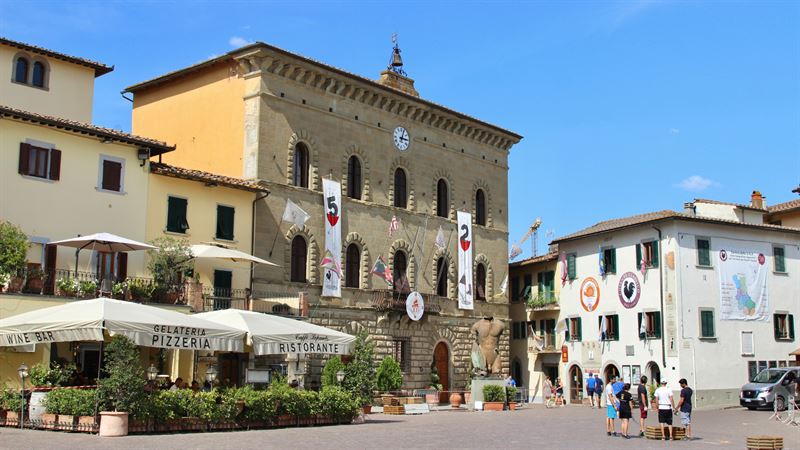
Greve in Chianti
Known as the gateway to the region, this town features a unique triangular piazza that serves as a hub for local wine producers and artisans.
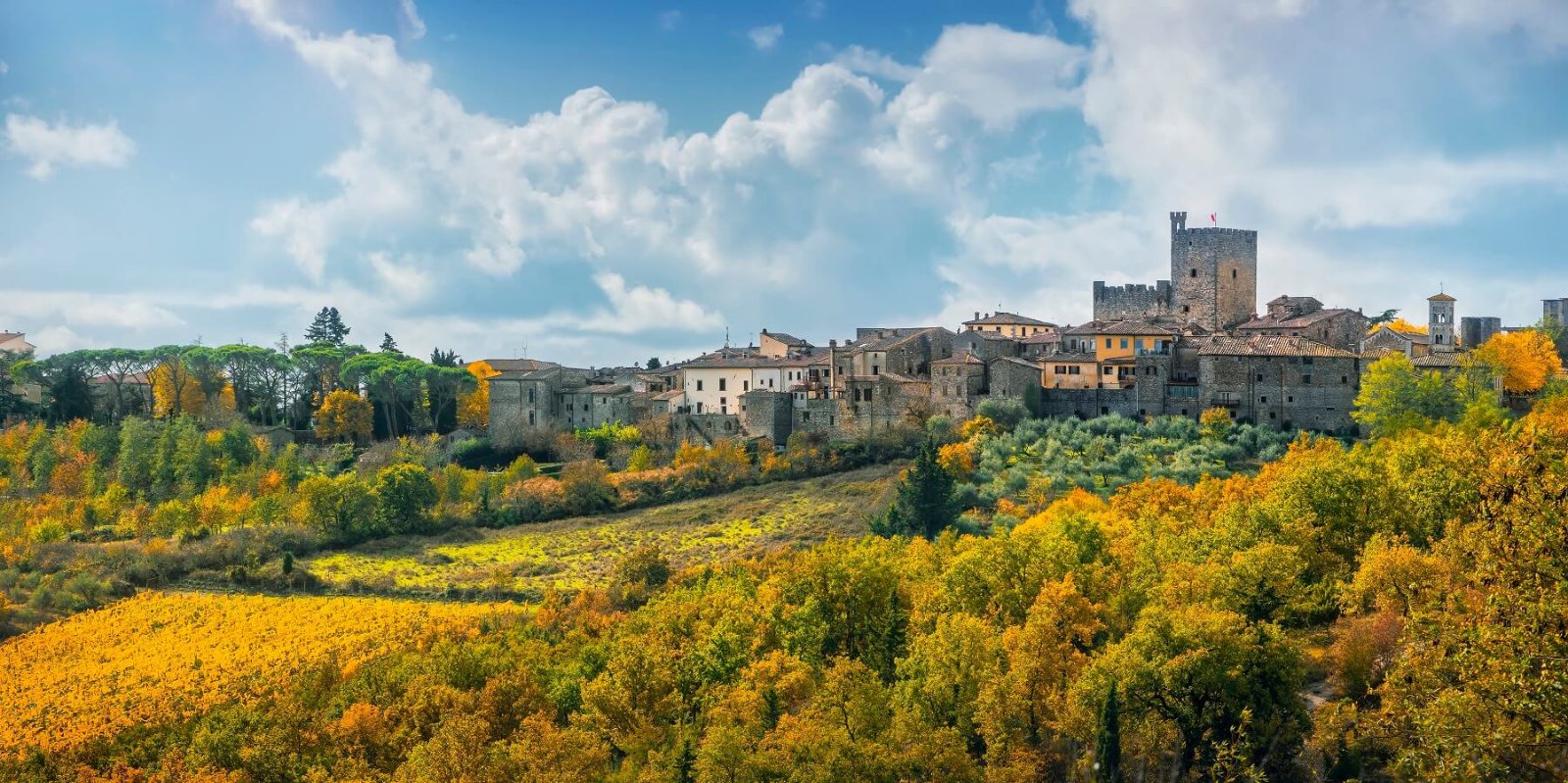
Castellina in Chianti
This hilltop village provides expansive views of the surrounding vineyards and historic defensive walls that define the local landscape.
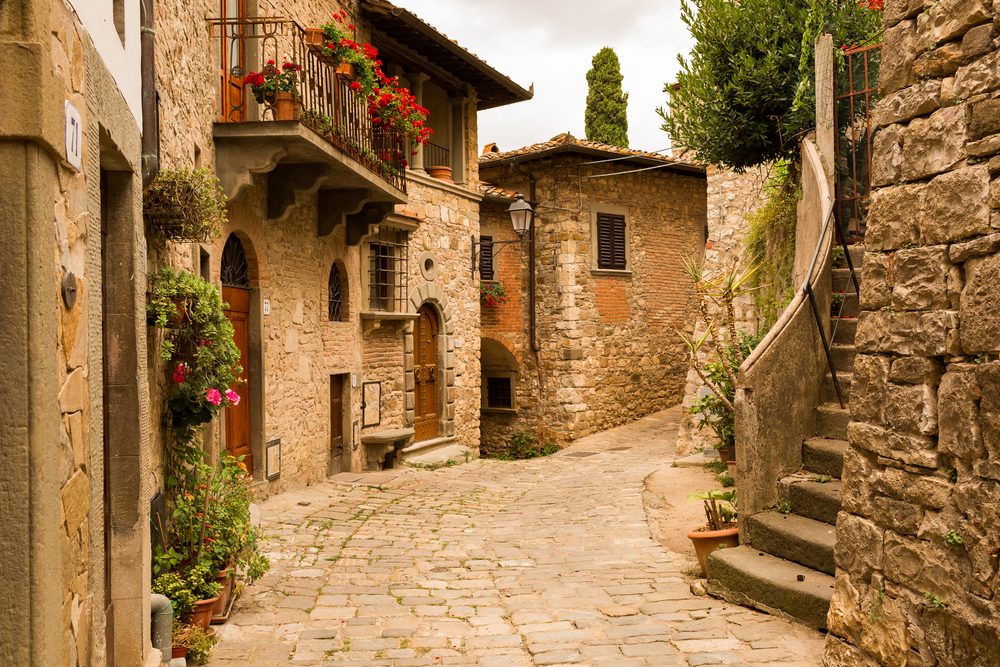
Montefioralle
A small, fortified village located just above Greve, offering a quiet perspective on medieval Tuscan living and regional stone construction.
Check availability
Frequently Asked Questions About Chianti Wines
Everything you need to know about what wine is florence known for