4 hr 30 min
Tuscany Wine Tasting: Small Group Tour from Florence
- Expert local guide
- Small group
- Skip-the-line access
- Free cancellation
Chianti Wine Tour From Florence—Small Group Vineyard Tastings
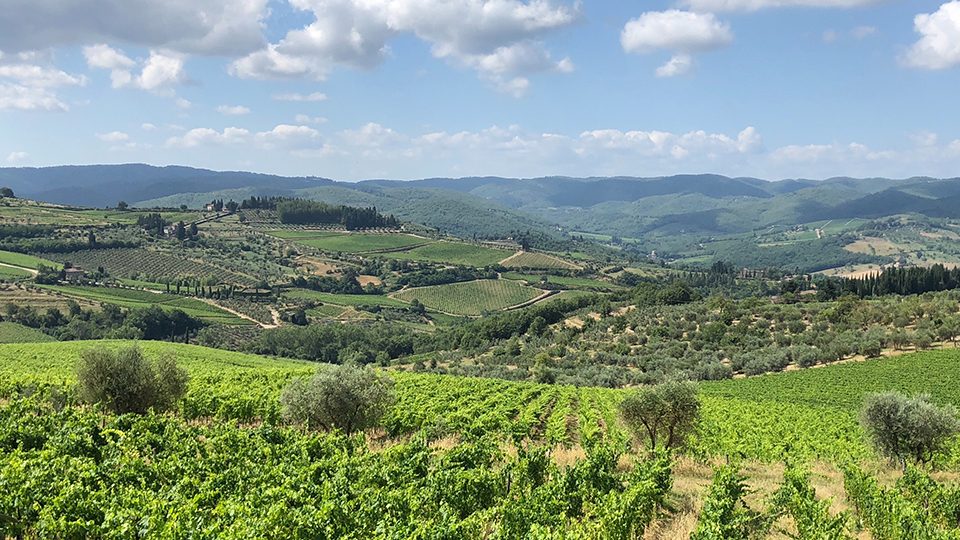
Cypress-lined estates and Sangiovese terroir, one glass at a time.
Compare fares, pick the fit — all bookings are mobile-voucher and eligible for free cancellation where shown.
4 hr 30 min
6 hr 30 min
8 hr
| Experience | Duration | Rating | Transfers | Skip-the-line | Guide | Small group | Price | |
|---|---|---|---|---|---|---|---|---|
|
Guided Experience
Most popular
Tuscany Wine Tasting: Small Group Tour from Florence
|
4 hr 30 min | ★ 4.9 | ✓ | ✓ | ✓ | ✓ | €89 | Book → |
|
Guided Experience
Chianti Wine Region Tour with Tastings at Two Wineries
|
6 hr 30 min | ★ 4.5 | ✓ | ✓ | ✓ | ✓ | €55 | Book → |
|
Guided Experience
Small-Group Tuscan Winery Tour with Lunch or Dinner
|
8 hr | ★ 4.9 | ✓ | ✓ | ✓ | ✓ | €149 | Book → |
Worth it for wine enthusiasts seeking authenticity
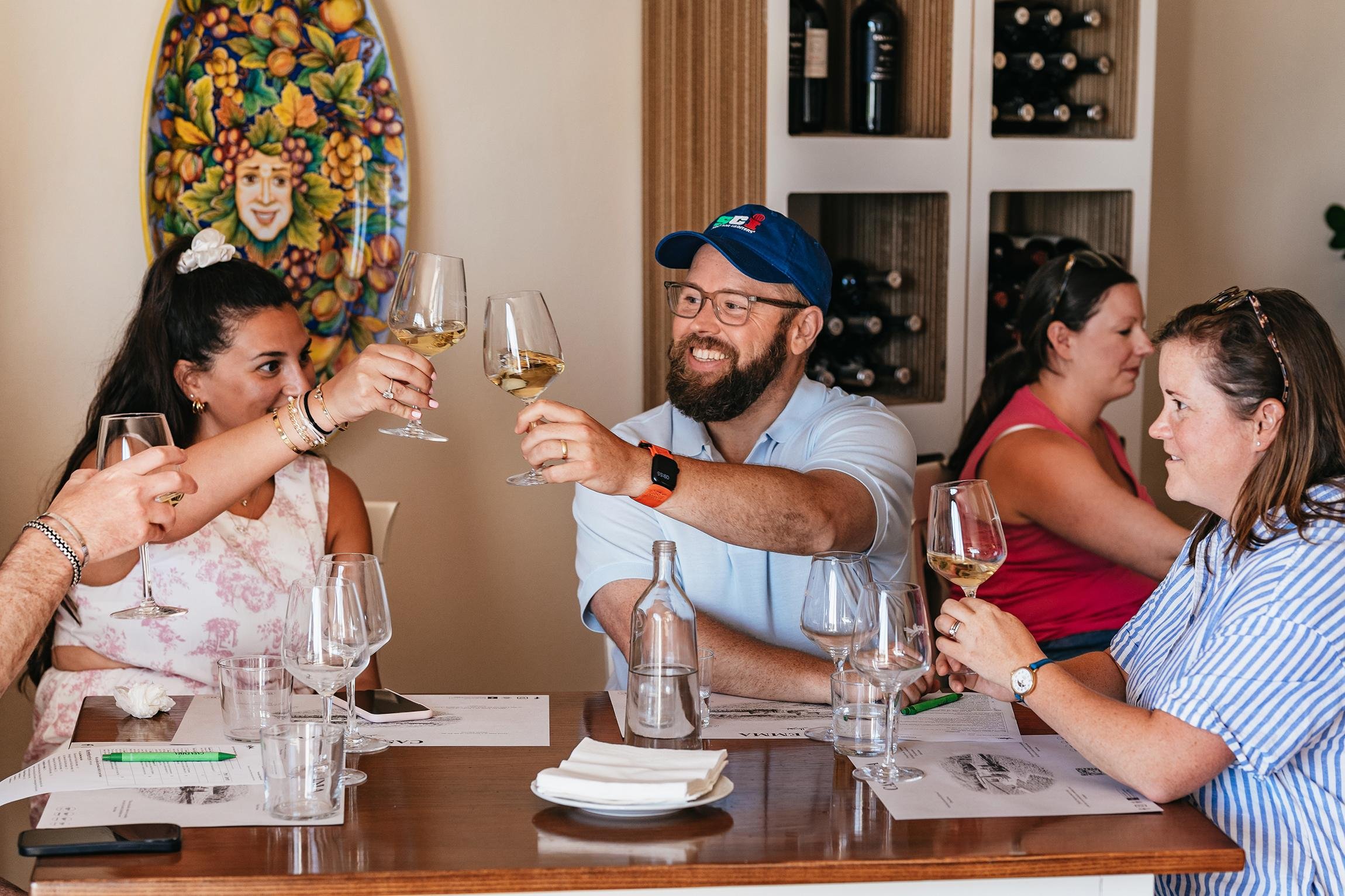
A chianti wine tour from florence small group delivers meaningful value that larger bus tours cannot match. With groups capped at 8–18 participants, you gain direct access to winemakers and cellarmasters who explain terroir, aging techniques, and the Sangiovese grape in depth rather than rushing through scripted tastings. Transportation from Florence eliminates the stress of navigating narrow vineyard roads, and most options include visits to two or three estates across the rolling hills between Greve and Castellina. The premium over mass-market bus tours—typically €20–40 more—buys you longer tastings, smaller pouring groups, and flexibility to ask questions during barrel-room visits. Tours with lunch or dinner add Tuscan food pairings that show how Chianti Classico complements local salumi and pecorino. Chianti wine tour from florence small group options work best for travelers who prioritize learning over sightseeing volume and want personal interaction with producers.
Bottom line: The small-group format transforms wine tasting from a checklist stop into an educational experience worth the modest premium.
A chianti wine tour from florence small group offers an immersive escape into Tuscan landscapes, while a guided Uffizi Gallery tour provides focused access to Renaissance masterpieces. They serve different interests; choose the vineyard excursion for relaxation or the museum visit for art history.
|
Top pick Chianti Small Group |
Uffizi Gallery Tour | |
|---|---|---|
| Primary focus | Wine tasting and landscapes | Renaissance art and paintings |
| Typical duration | 6–8 hours | 2–3 hours |
| Setting | Open-air vineyards | Indoor climate-controlled galleries |
| Transport included | Yes (usually van/minibus) | No (meet at museum) |
| Group atmosphere | Social and intimate | Educational and focused |
| Best for | Nature and food lovers | History and art enthusiasts |
| Booking requirement | Advance reservation recommended | Timed-entry tickets essential |
| Starting location | Florence city center | Uffizi Gallery entrance |
| See tickets & prices |
Verdict: If you prefer pastoral scenery and local viticulture, the chianti wine tour from florence small group tickets provide the best experience, whereas those seeking cultural depth should opt for the Uffizi.
Hand-picked experiences loved by thousands of travelers
11 hours
Free Cancellation
Journey through Tuscany's medieval hilltowns with wine tasting and traditional lunch in the Chianti countryside
6 to 9 hours
Free Cancellation
Journey through Chianti's hillside vineyards in a 4x4, taste prestigious wines, and feast on authentic cuisine
6 hours
Free Cancellation
Half-day escape to Tuscany's vineyard heartland with guided cellar visits and eight wine samples
5 hours
Free Cancellation
Half-day escape into Tuscan wine country with vineyard walks, cellar tours, and seven wine tastings
5-7 hours
Free Cancellation
Explore Tuscany's renowned wine region with tastings at three estates, olive oil discovery, and a traditional lunch
9 hours
Free Cancellation
Intimate small-group journey through medieval Tuscany with wine estate lunch and two historic hilltowns
5–7 hours
Free Cancellation
Small-group minivan journey through Tuscany's wine country with cellar visits and tastings
8 hours
Free Cancellation
Explore two organic estates, savor Tuscan lunch with wine pairings, and wander medieval San Gimignano
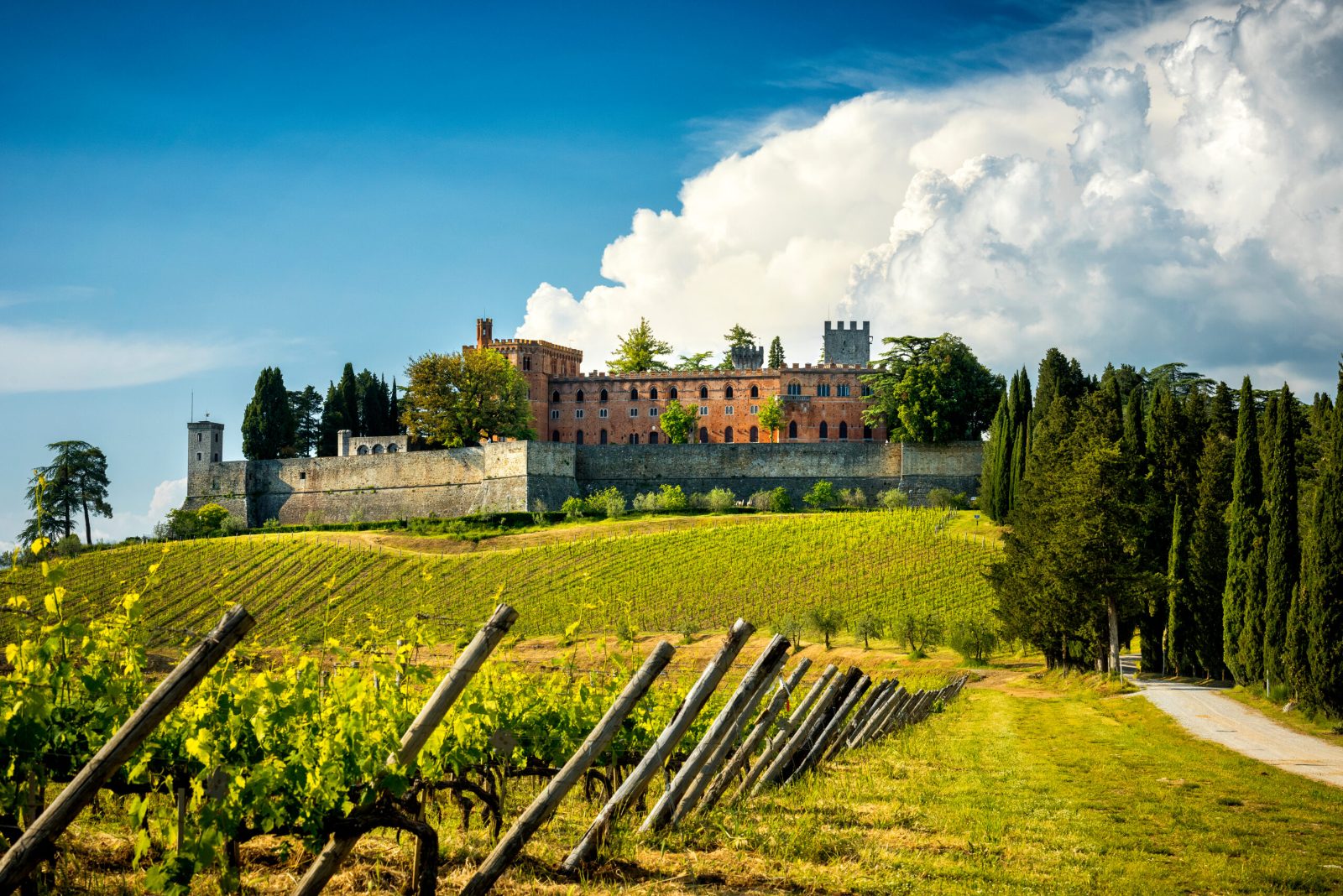
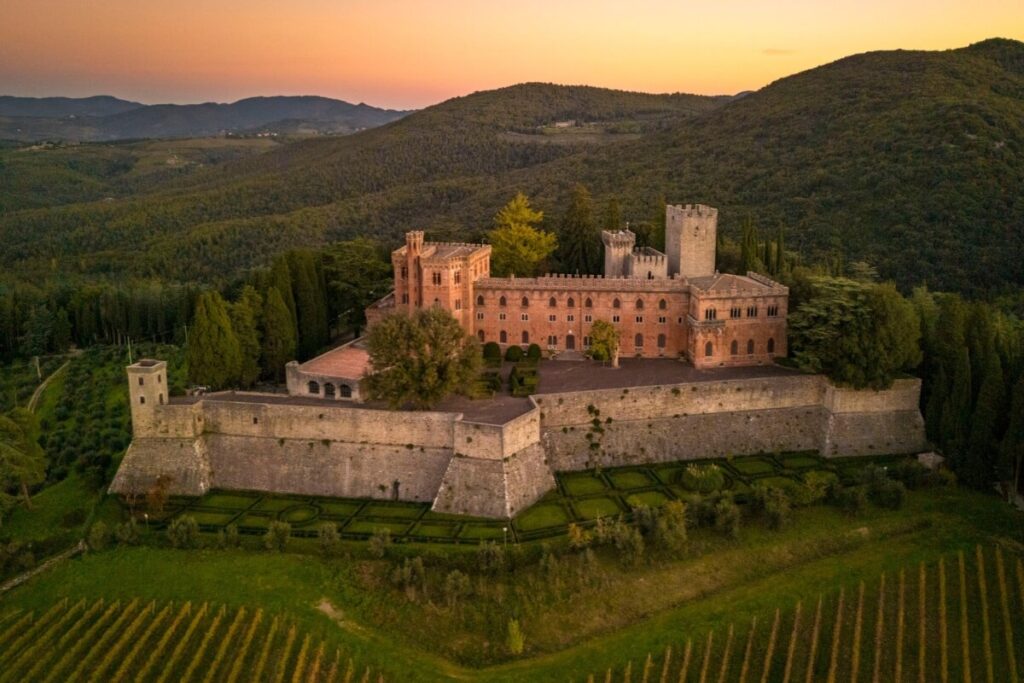
Explore the historic home of Chianti wine production, featuring impressive gardens and defensive walls. It is one of the most significant architectural landmarks in the area.
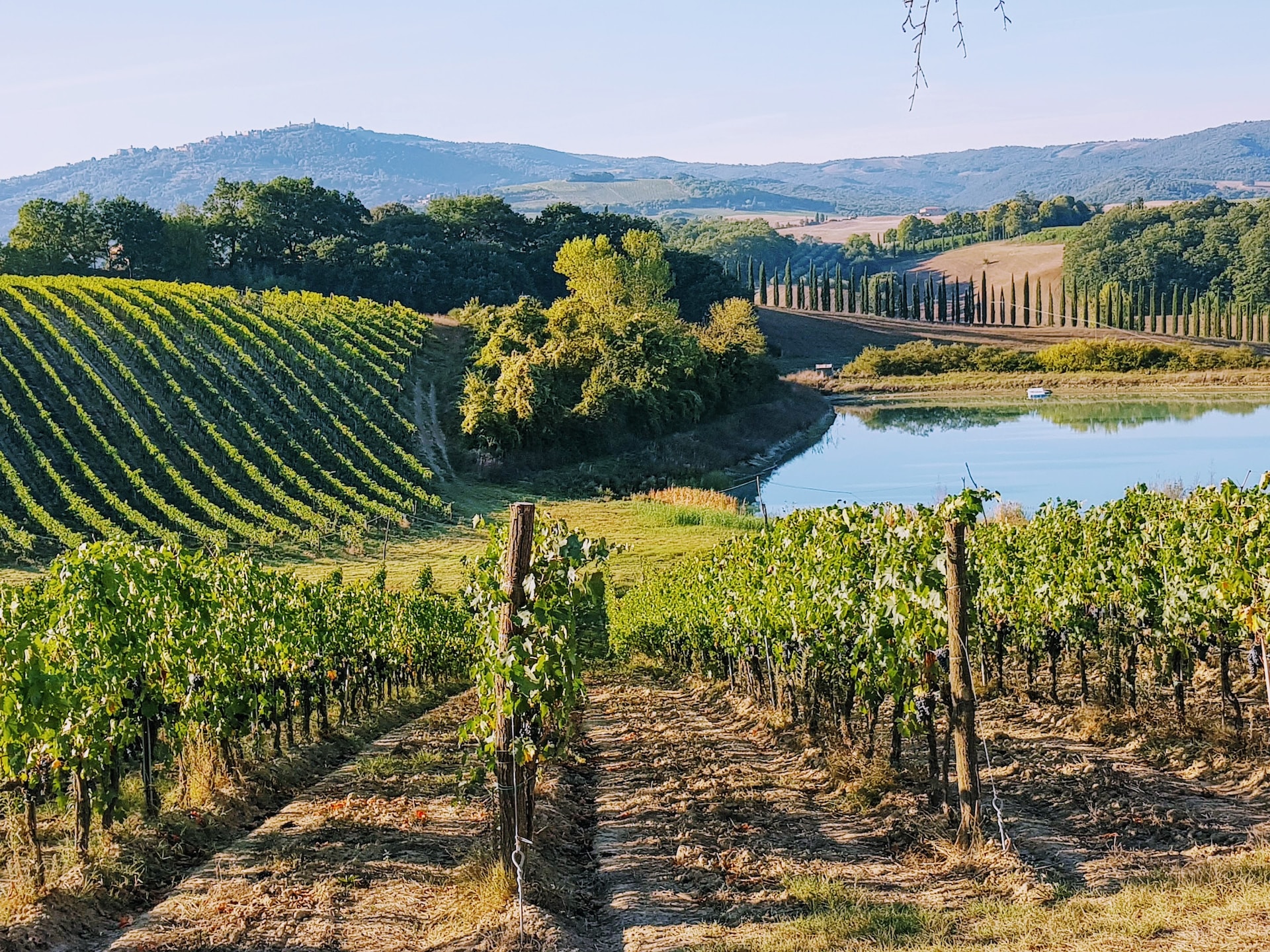
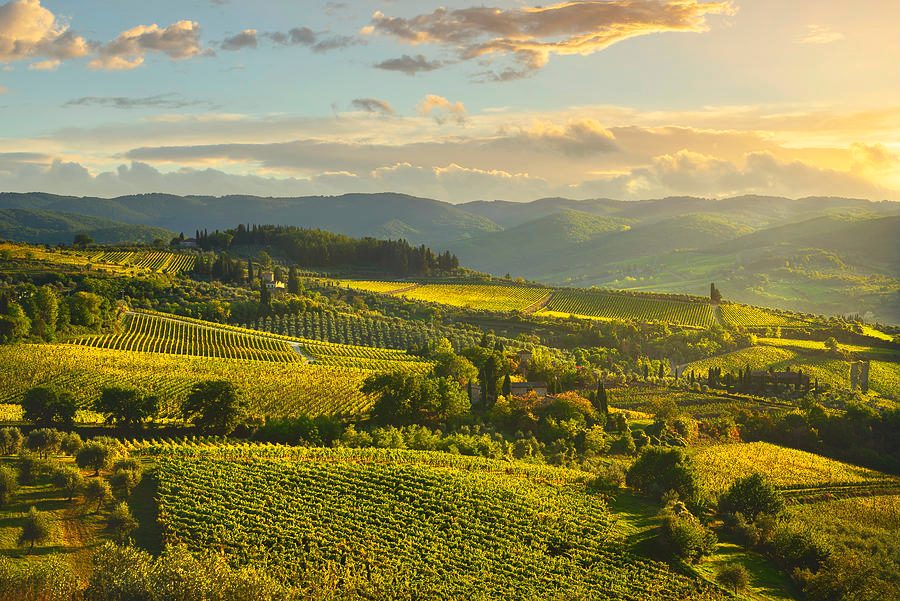
Observe the famous Conca d'Oro, a golden basin known for high-quality viticulture and rolling landscape. This area represents the heart of local agriculture.
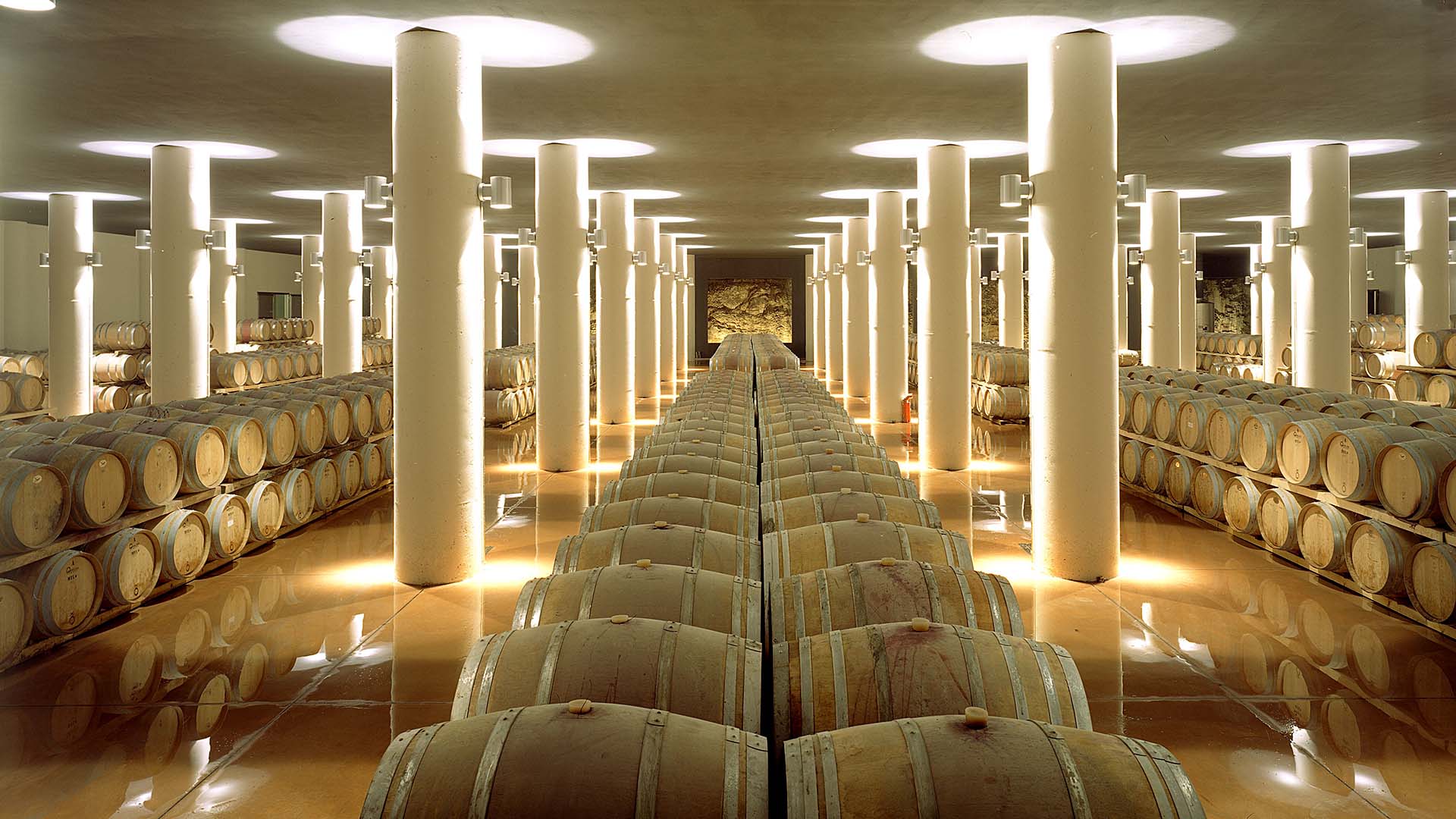
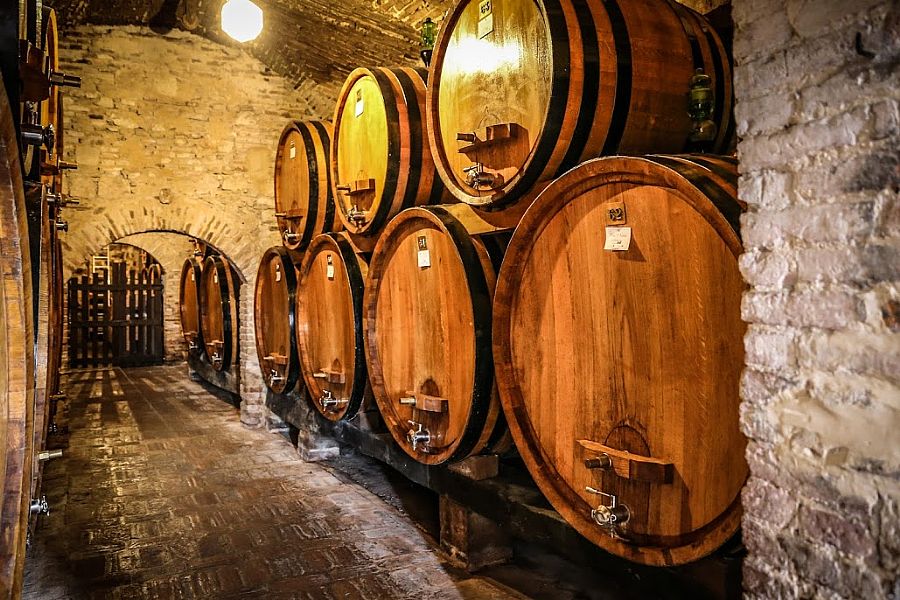
Visit the ancient cellars located beneath a medieval abbey to see how wines age in oak. The site dates back to the 11th century.
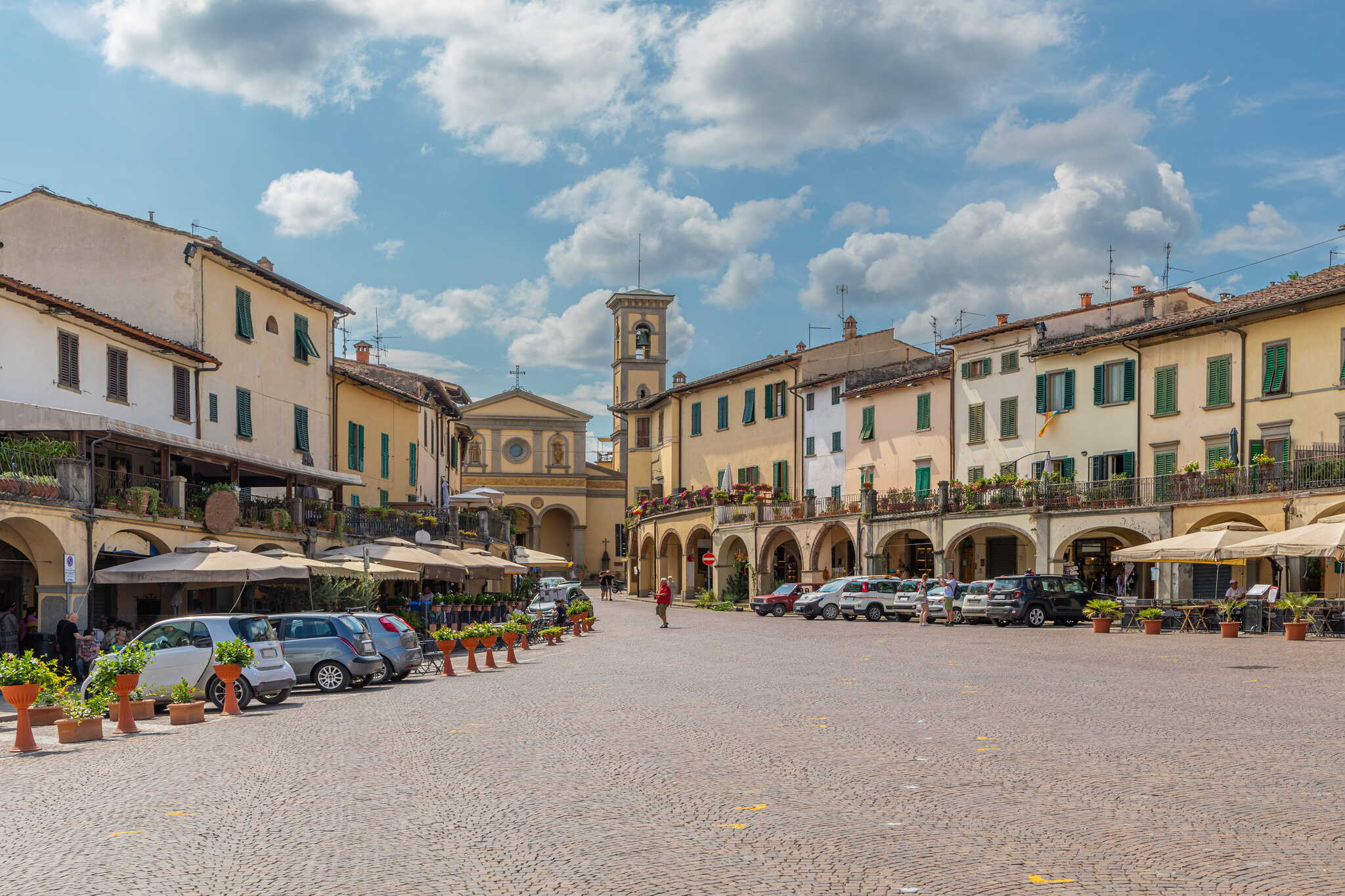
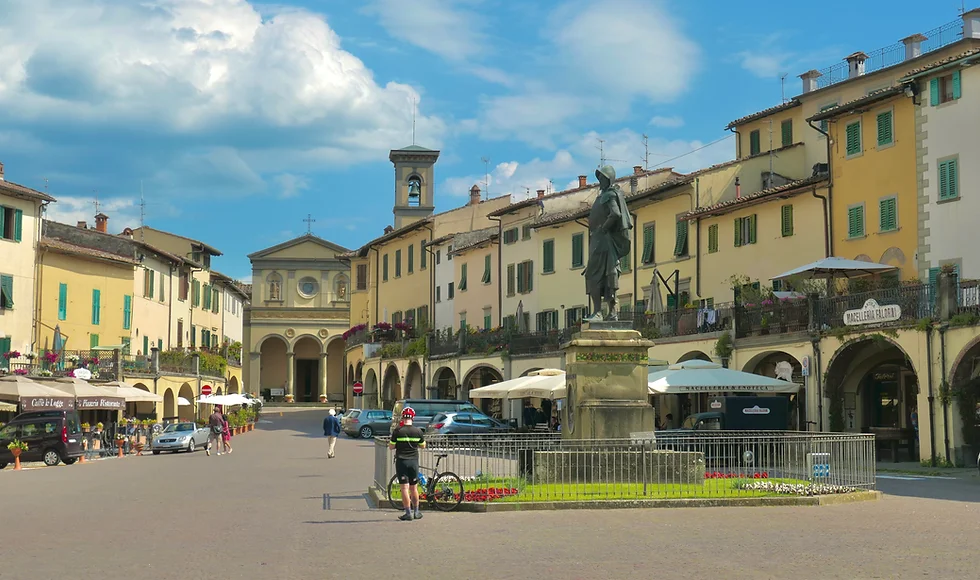
Walk through the triangular piazza that has served as a central trading point for centuries. It remains the social heart of the Chianti region.
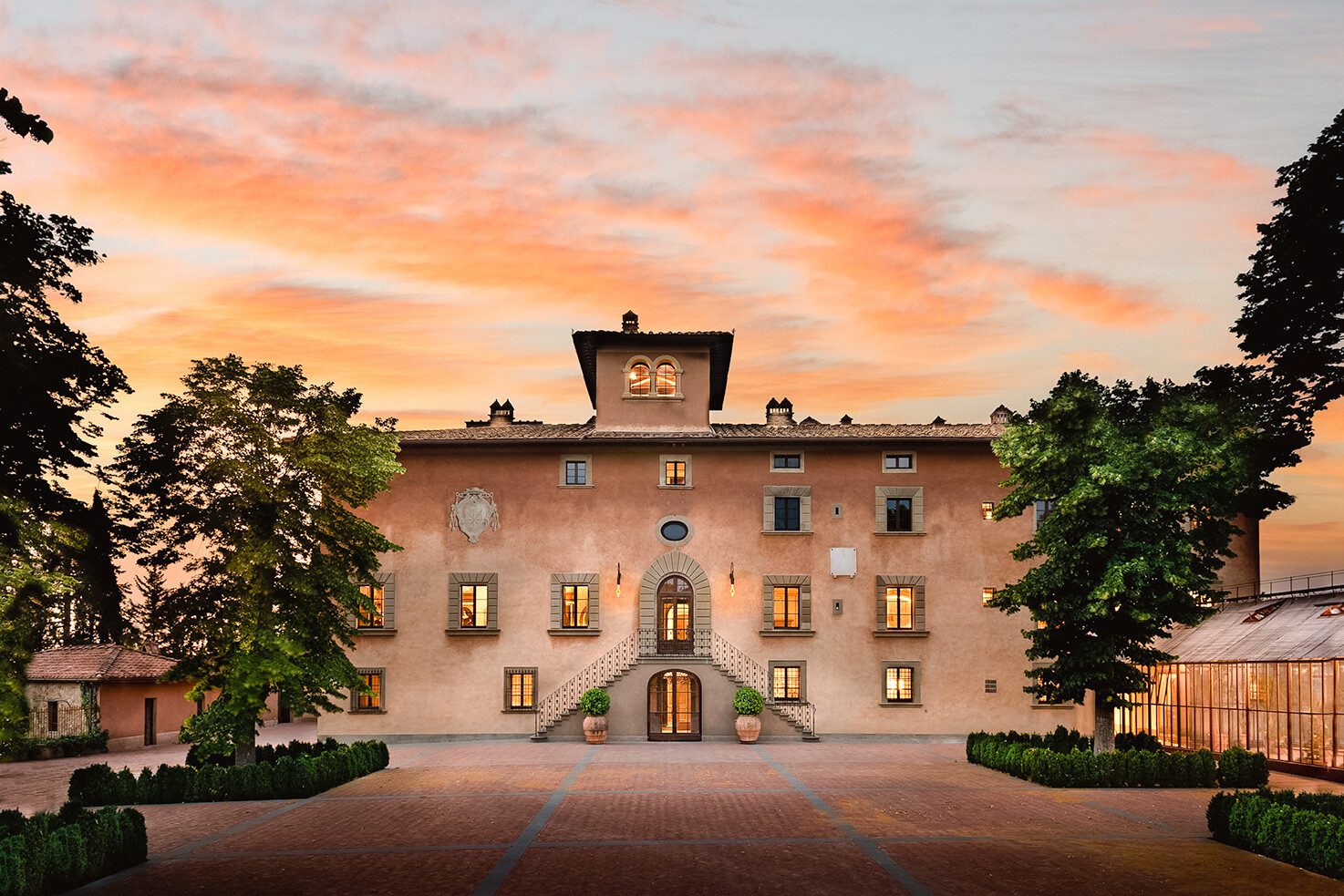
Discover the Renaissance-style estate famously linked to the Mona Lisa and its terraced gardens. The grounds display exquisite historical design.
You leave Florence at 9:15, crossing the Arno as the city's terracotta skyline shrinks behind cypress-topped hills. The minibus—twelve seats maximum—climbs through Impruneta's terracotta workshops before entering Chianti's first vineyard corridor at Greve.
Your guide stops at a 16th-century estate where fermentation tanks gleam behind arched cellars carved into bedrock.
You descend into the barrel room's cool air, oak staves stacked floor to ceiling, and taste three vintages poured into Riedel stems: a young Chianti Classico with cherry brightness, a four-year Riserva with tobacco notes, and a Super Tuscan blending Sangiovese with Bordeaux varietals. The estate's terrace overlooks 40 hectares of vines climbing southeast-facing slopes.
Lunch arrives at a second winery—five courses paired with estate wines. You try hand-rolled pici in wild boar ragù, then bistecca Fiorentina seared over vine cuttings, while the sommelier explains how altitude and sun exposure shift tannin structure between neighboring plots. The afternoon closes at a hillside cantina near Panzano, where you walk between rows heavy with September clusters before a final tasting of Vin Santo with cantucci biscuits. The return to Florence winds through San Casciano as golden-hour light stretches across the Chiantigiana's ribbon of asphalt.
All the details about your upcoming adventure in one place
The Chianti region produces 8.4 million cases of wine annually across 70,000 hectares of hillside vineyards stretching between Florence and Siena.
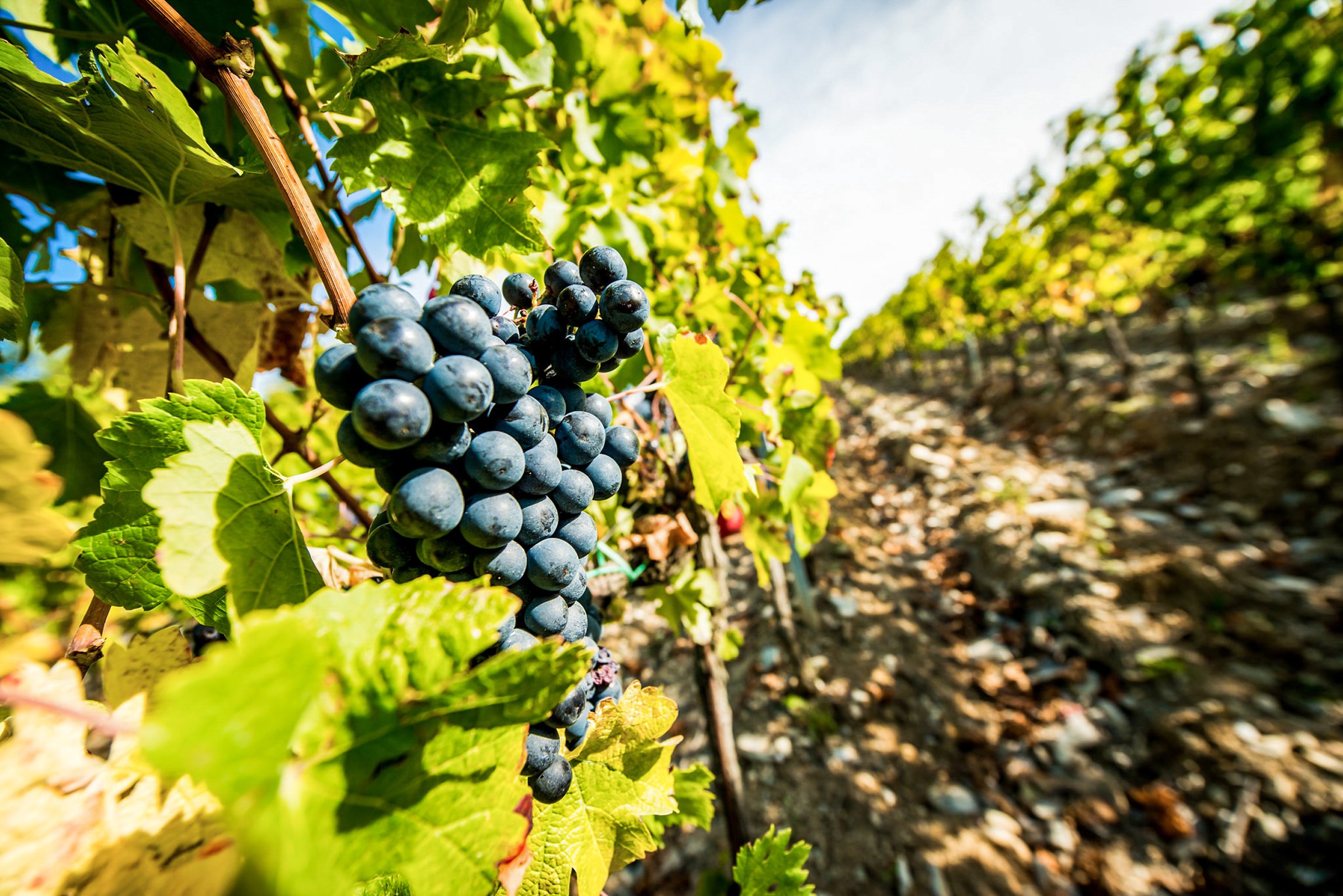
The Gallo Nero consortium—founded in 1924—regulates Chianti Classico estates, requiring Sangiovese grapes comprise 80 percent of every blend aged in oak barrels for a minimum twelve months. Medieval stone cellars at Castello di Brolio and Badia a Passignano still store vintages in terracotta amphorae, a technique revived after archeological digs at Etruscan sites near Radda uncovered 2,600-year-old wine residue.
Chianti's signature black rooster emblem dates to a 13th-century border dispute: Florence and Siena agreed their territories would meet where roosters crowed at dawn, and Florence's starved bird sang earlier, securing more land. Today that emblem marks 560 producers across nine communes, from Greve's piazza ringed by enotecas to Castellina's fortified towers overlooking Sangiovese rows trained on galestro limestone. The soil—crumbly grey marl mixed with clay—drains quickly, stressing vines into concentrated fruit that defines the region's ruby reds.
Small group chianti wine tour from florence excursions stop at family-run estates where third-generation vignerons pour Super Tuscans blended with Merlot and Cabernet alongside DOC reserves. Afternoon tastings pair four-year Riserva with pecorino aged in walnut leaves and crostini topped with chicken liver paté. The landscape—Unesco-protected since 2014—unfolds in geometric precision: alternating bands of wheat, olive groves, and vines separated by cypress windbreaks planted to shield Renaissance Villa Vignamaggio, where Mona Lisa sat for Leonardo in 1503.
Harvest season runs late September through October, when mechanical pickers work at night to preserve grape acidity before fermentation begins in stainless steel vats. Wineries open their barrel rooms year-round, though spring and autumn avoid August's coach tour crowds and summer's 35°C afternoons that shorten outdoor tastings. The Chiantigiana road—SR222—connects Florence to Siena in 68 kilometers of hairpin turns past stone farmhouses converted to agriturismi serving ribollita and pappa al pomodoro under pergola shade.
The Gallo Nero black rooster emblem marks 560 producers across nine communes, each estate rooted in galestro limestone that defines Chianti Classico terroir.
Casual and comfortable clothing is recommended for a chianti wine tour from florence small group, keeping in mind the rural terrain of vineyards. Sturdy footwear is advisable for walking on gravel paths and uneven vineyard soil.
Small daypacks are generally acceptable on a chianti wine tour from florence small group. Ensure your belongings are secure during tastings and cellar tours.
Photography is permitted at most vineyards visited during a chianti wine tour from florence small group. Always ask for permission before taking close-up photos of staff or private fermentation equipment.
Some operators of a chianti wine tour from florence small group allow children, provided they remain supervised. Age restrictions for wine tasting apply, and some estates may not be suitable for strollers.
Vineyard accessibility varies significantly across the Chianti region, so check with your provider before booking a chianti wine tour from florence small group. Many older wine cellars contain stairs and lack elevator access.
External food and beverages are generally prohibited during a chianti wine tour from florence small group unless provided by the tour operator. Most visits include a tasting of regional products.
Opening Hours
Closed daily
Address
Chianti Region, Tuscany, Italy
Accessibility
Varies by individual winery estate
Best arrival window
09:00–10:30
Entrance fee
0 EUR
Car
Rental vehicles offer the most flexibility for exploring the Chianti region at your own pace. Ensure you have a valid international driving permit and GPS.
Public transport
Bus services connect Florence to major towns like Greve, but are limited for specific vineyard access. Plan to combine bus travel with private transfers.
Full refunds are typically available for cancellations made at least 24 hours in advance. Please refer to your specific booking confirmation for details regarding the 0 EUR base fee and provider terms.
Recommended time
Full day (7-9 hours)
A chianti wine tour from florence small group allows for immersive tastings at multiple estates while navigating scenic Tuscan hills. Most guests find this duration ideal for balancing travel time with leisure at vineyard cellars. Booking a chianti wine tour from florence small group tickets ensures access to intimate guided sessions, while a chianti wine tour from florence small group tour provides structured transportation through the countryside.
Crowd levels through the day
Weather · crowds · average price — dots go green to amber to red as each metric rises.
Mild temperatures and blooming vines make this ideal for a chianti wine tour from florence small group. March to May offers lush greenery and pleasant walking weather.
Warm weather with peak vineyard activity, best to arrive early. June to August attracts the highest volume of visitors.
Harvest season is a highlight, with grapes collected from September to October. This is a busy but culturally significant time.
Quieter period with cool temperatures, perfect for indoor cellar tours. Most vineyards remain open for private bookings.
Secure your chianti wine tour from florence small group early to ensure availability. Popular providers often fill up weeks ahead, especially during harvest season.
Tuscan weather fluctuates, so wear layers during your chianti wine tour from florence small group. This ensures comfort in both warm sun and cool cellars.
Drink plenty of water between wine tastings to manage your energy levels. Most tour operators provide water, but bringing your own is advisable.
The Chianti hills became synonymous with wine as early as the thirteenth century, when Florence and Siena fought not only for territory but for control of the trade routes carrying casks to northern Europe. By 1398 the League of Chianti—a military and commercial alliance of villages including Radda, Gaiole, and Castellina—had formalized borders that would later define the wine region itself. The black rooster emblem, adopted to distinguish Florentine-controlled vineyards from Sienese rivals, remains the Chianti Classico seal today. Yet the wine those medieval merchants sold bore little resemblance to modern Chianti; it was white as often as red, unaged, and diluted with water for summer field labor. The transformation began in 1716 when Cosimo III de' Medici issued an edict delineating the boundaries of Chianti, Pomino, Carmignano, and Val d'Arno di Sopra—the world's first government-protected wine appellations, predating France's système by two centuries. Baron Bettino Ricasoli, Italy's second prime minister, spent the 1840s and 1850s experimenting at Castello di Brolio, ultimately codifying the Chianti blend: Sangiovese as the backbone, softened with Canaiolo and Malvasia. His 1872 formula became doctrine. The region exported more wine than any other in Italy by 1900, though phylloxera had already crossed the Alps and would devastate hillside vineyards within a decade. Recovery was slow and uneven. Sharecropping—mezzadria—kept yields high and quality inconsistent through the 1960s. The introduction of the DOC system in 1967 inadvertently worsened matters by mandating white grape percentages that diluted flavor, prompting top estates to abandon the denomination entirely and bottle as unclassified Supertuscans. Only in 1996 did revised DOCG rules permit 100% Sangiovese and eliminate white grapes, allowing Chianti to reclaim prestige. Today small group chianti wine tour from florence small group excursions traverse estates where stainless steel and French oak have replaced chestnut barrels, yet the medieval stone cellars—cool, silent, unchanged—anchor every tasting in a continuum stretching back seven centuries.
The League of Chianti formalizes borders among Radda, Gaiole, and Castellina, uniting villages under Florentine rule and the black rooster emblem.
Grand Duke Cosimo III de' Medici issues the world's first wine appellation decree, legally defining Chianti's boundaries.
Baron Bettino Ricasoli publishes his Sangiovese-Canaiolo-Malvasia formula after decades of trials at Castello di Brolio, standardizing the Chianti blend.
Phylloxera devastates Tuscan vineyards; replanting on resistant rootstock reshapes the landscape and delays quality improvements for decades.
Italy's DOC law mandates white grape inclusion in Chianti, inadvertently encouraging inferior blends and prompting elite producers to abandon the designation.
Revised DOCG regulations permit 100% Sangiovese and eliminate mandatory white grapes, enabling Chianti's qualitative renaissance and renewed international prestige.
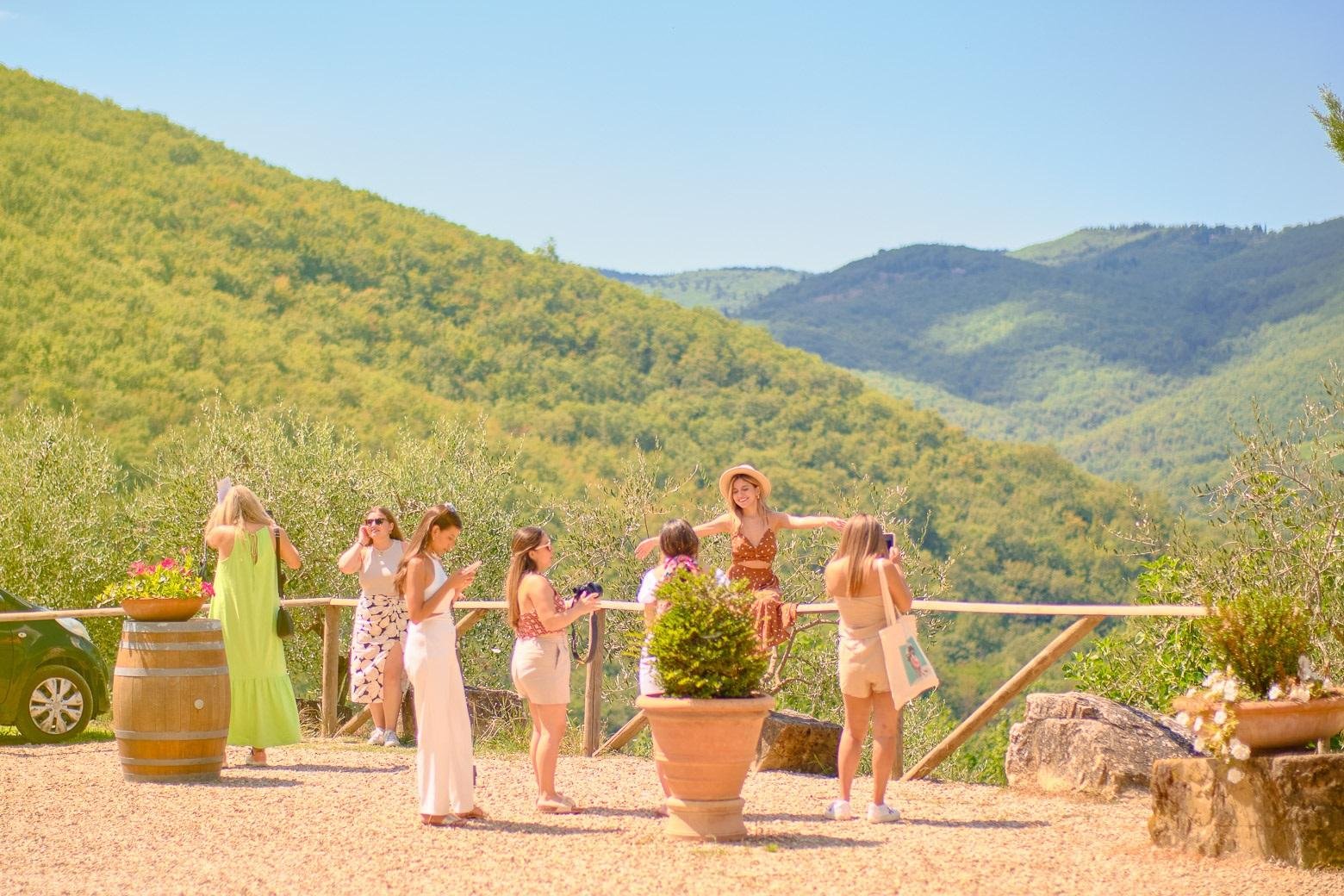
This high-elevation viewpoint offers a panoramic perspective of the sprawling vineyards and historic cypress-lined avenues. Stand at the edge of the limestone balustrade to capture the rolling hills during a chianti wine tour from florence small group.
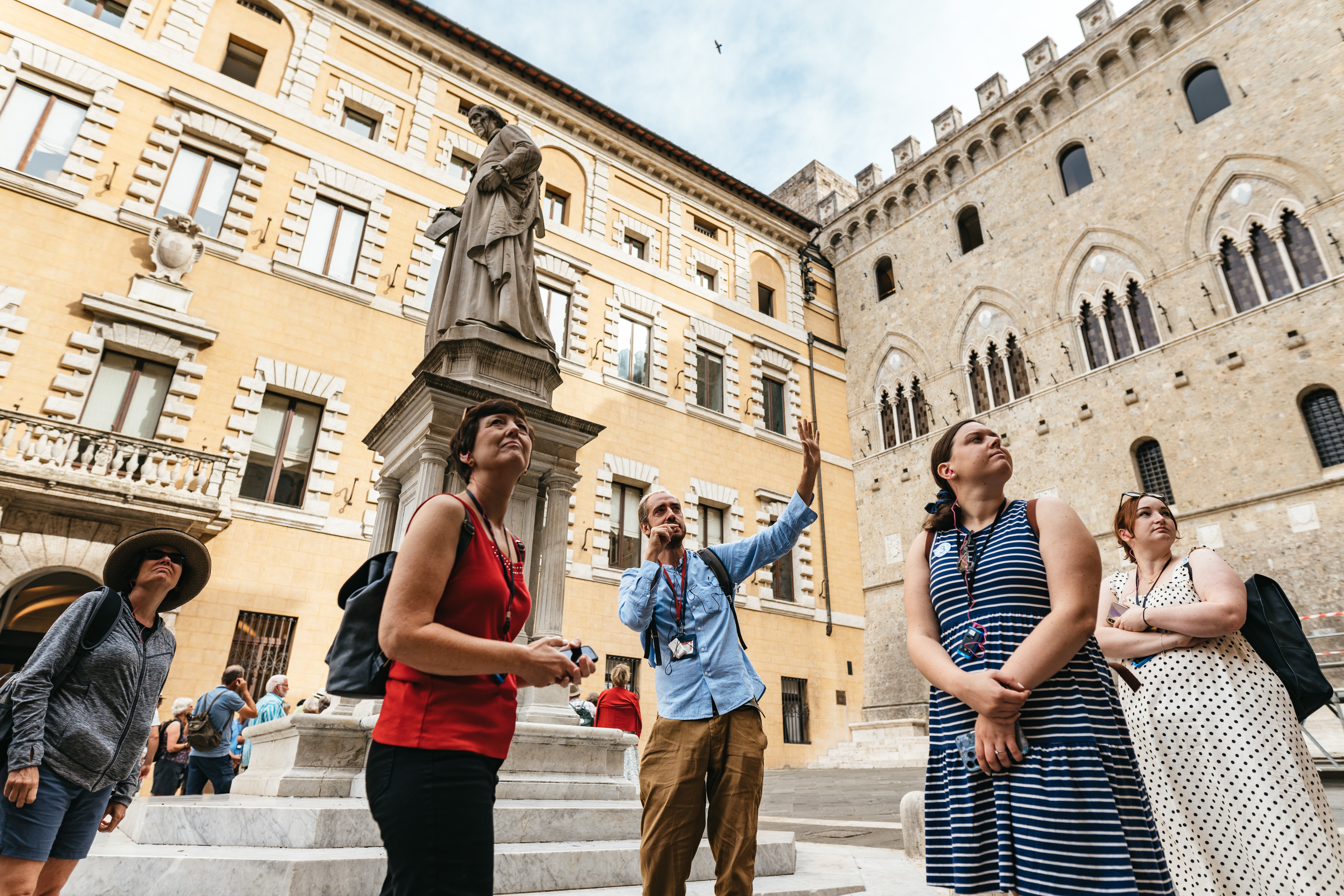
This triangular main square serves as the heart of the region, surrounded by arched porticos and traditional stone architecture. Position yourself near the statue of Giovanni da Verrazzano to document the local market atmosphere and architectural details for your chianti wine tour from florence small group tours.
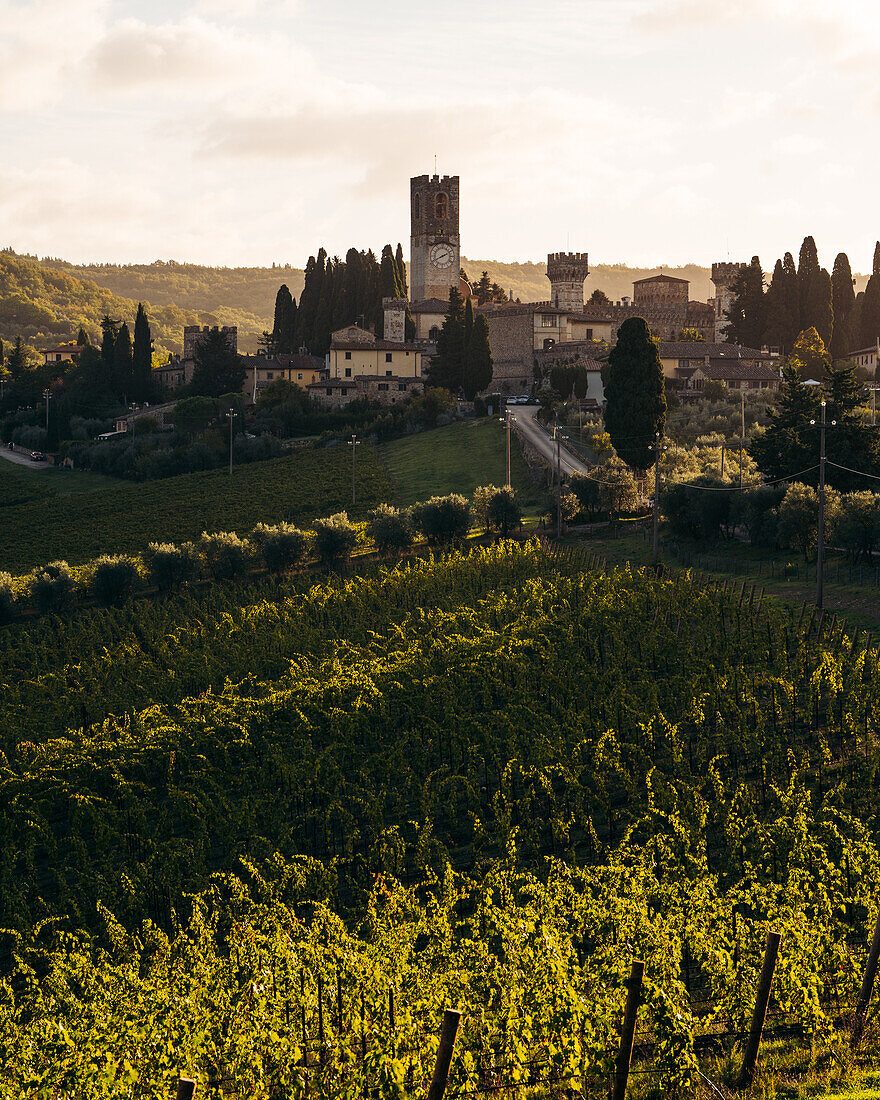
Capture the austere beauty of this medieval monastic complex set against a backdrop of dense woodland and orderly vine rows. Frame the shot from the southern entrance path to include the stone facade during your chianti wine tour from florence small group tour.
This vantage point provides an expansive view of the Conca d'Oro valley, famous for its premium terroir and sun-drenched slopes. Use a wide lens from the roadside pull-off to secure photos for your chianti wine tour from florence small group tickets.
Planning a chianti wine tour from florence small group allows families to explore the rolling Tuscan hills at a pace that accommodates younger travelers. While the region is expansive, choosing a private excursion helps manage transport and keeps the experience engaging for everyone.
Most wineries feature unpaved or gravel paths that are difficult for standard strollers, so bringing a sturdy carrier is recommended for your chianti wine tour from florence small group tours. If you must use a stroller, choose one with large, all-terrain wheels to navigate the vineyard landscapes.
Public baby-change facilities are rare in rural Tuscan vineyards, so come prepared with your own portable changing mat and supplies. You will find that family-friendly accommodations are easier to manage when you book your chianti wine tour from florence small group tickets well in advance.
School-aged children often enjoy the open space of the countryside, while toddlers may find the long drives between estates challenging. Selecting a chianti wine tour from florence small group tour with shorter transit times keeps the day manageable for younger guests.
Adhering to the best arrival window of 09:00–10:30 helps you complete your visit before the afternoon heat and large crowds arrive. This schedule ensures a more relaxed atmosphere for parents and children as they explore the region's famous vineyards and cypress-lined roads.
Finding authentic dining near your chianti wine tour from florence small group is central to the experience, as most wineries feature farm-to-table lunch options. Many estate-run restaurants offer regional pairings near the chianti wine tour from florence small group tours, emphasizing local harvest ingredients.
Located near the Badia a Passignano abbey, this venue offers sophisticated pairings for your chianti wine tour from florence small group tickets. Order the Bistecca alla Fiorentina for a classic regional experience.
A landmark for meat lovers in Panzano, ideal for a hearty meal after your chianti wine tour from florence small group tour. The communal seating encourages conversation while enjoying traditional beef preparations.
Perched on a hillside with panoramic vineyard views, this spot specializes in seasonal Panzanella and olive oil tasting. It provides a peaceful setting to reflect on your itinerary during your chianti wine tour from florence small group visit.
Everything you need to know for your journey
The Chianti region itself has no single opening hours, but small group tours generally operate during standard business hours. Always confirm the specific schedule with your tour provider.
Accessibility is not universal; please verify the specific itinerary of your chianti wine tour from florence small group if you have mobility requirements.
Bring water, sunscreen, a hat, and comfortable shoes for walking through vineyard terrain.
Policy varies, but many providers of a chianti wine tour from florence small group allow families; always check age restrictions before booking.
Meeting points for a chianti wine tour from florence small group are usually in central Florence, accessible by foot or public transport.
Check your booking terms; most allow cancellation with a refund up to 24 hours before your chianti wine tour from florence small group.
For the best experience, the recommended arrival window is 09:00–10:30 to avoid peak crowds and afternoon heat.
Most tours include food tastings as part of the package, but check your itinerary for details.
Yes, photography is generally welcome on a chianti wine tour from florence small group, provided you respect the staff and property.
A central hub in Greve in Chianti known for its unique triangular shape. It serves as an excellent starting point for exploring the region.
A well-preserved medieval fortified village overlooking the valley. Its historic walls offer insight into local defensive architecture.
A historic abbey surrounded by cypress trees and vineyards. This site provides a peaceful look at the religious history of the area.
High-end resort offering panoramic views of the Tuscan hills. Ideal for a luxury stay near major wineries.
Historic estate featuring traditional Tuscan architecture and gardens. Known for its quiet atmosphere.
Comfortable lodging located directly in the heart of the region. Provides easy access to local amenities.
Join thousands of happy travelers who have discovered this incredible experience
Book Your Experience Now